

Here in the bustling streets of ancient Babylon, dust swirls in the air and the bazaar is bustling. Nearly 4,000 years ago a young builder approaches the city's grand hall. You see, a rule has changed. In their hands is the plans for a new home. Before a single brick can be laid, they must now present their proposal to the city's officials and seek their approval. In essence, the very first building permit. That rule that has changed for them was called Hammurabi's code.
Permitting: An Age-Old Tradition
It's easy to think of building permits as a modern invention - as a product of today's complex bureaucracy. But the truth is, the concept of permitting is about as old as civilization itself. In ancient Babylon, under the reign of Hammurabi, the world's earliest known building regulations were literally carved into stone. Forming from the Akkadian laws, Hammurabi's Code didn't just set rules for trade and justice but held builders directly accountable. It held them accountable for the safety and the integrity of their work. If a house collapsed due to poor construction then the builder could face severe punishment.
This early form of penalty system was all about responsibility and public trust.

The Renaissance...
Craftsmanship and Community Standards
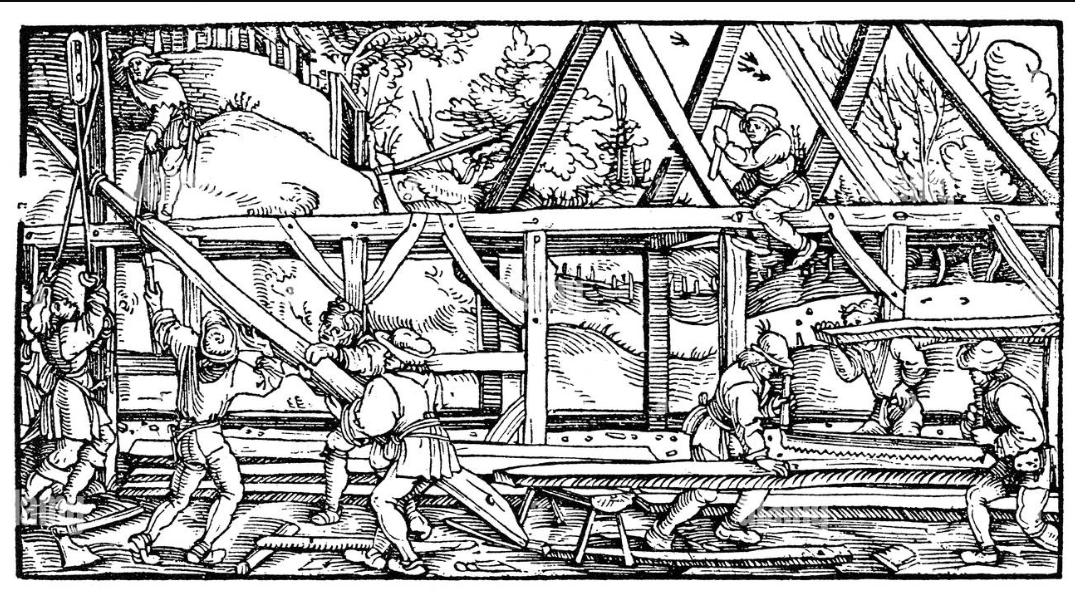
Fast forwarding to the Renaissance, the idea of permitting had greatly evolved. In the bustling cities of Europe, guilds of builders and craftsmen took on the role of regulators. These guilds established strict standards for quality and craftsmanship, and members were expected to inspect each other's work. The focus shifted from basic accountability to celebrating the skills and artistry of people. In this era it was all about upholding the reputation of the guild and ensuring that every structure reflected the highest standards of the community.
The Legacy Lives On
The deep roots of permitting shows its enduring purpose:
- Quality Control: Early systems ensured that only skilled craftsmen could build, protecting communities from shoddy construction.
- Community Trust: Permitting has long served as a contract between builders and society, promising safety, durability, and transparency.
- Building permits, as we know them today, took shape in the 1700's and 1800's all the way from the US to New Zealand.
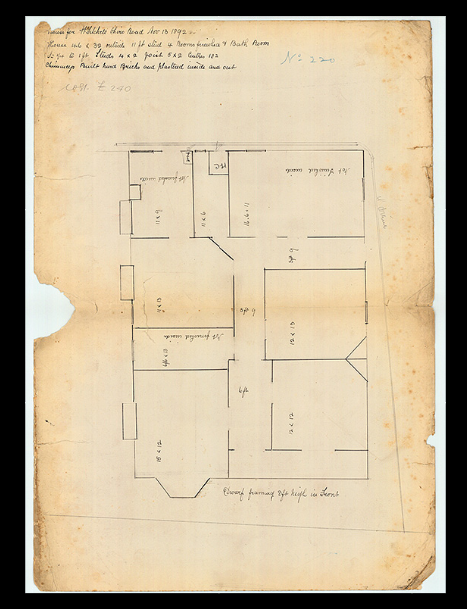
Believe me, if these systems were useless, people would have abandoned them a long time ago. Today's permitting systems are more complex, but their core mission remains unchanged. They protect public safety, preserve community standards, and provide a historical record of how our cities and towns have grown. They protect the value of your investment and then help to pass it down for generations to come.