

I grew up watching Drunken Master before First Strike. And on VHS. All long before Rush Hour.
Yes. I'm from the 1900s.
I grew up as a kid with this person on the right as a hero and then a source of comedy and joy. You may not know this but that man on the right sang for democracy once.
In 1989, while students filled Tiananmen Square, Jackie Chan stood in Hong Kong on a protest stage at a 12-hour concert for democracy in China. He chose the students' side. His own father had fled the communists in 1949, a nationalist spy who ran to the one free city in reach. Hong Kong. He took the name Chan. Hong Kong is the only reason a kid who fought cops and won on screen ever became an action movie star. This is because that same movie could not have been made on the mainland, where between 1966 and 1972 not one commercial film was produced and every cop on screen had to be the good guy in the storyline for propagandizing.
Then the market opened. In 1996 he said he was "not political." That's the same year Jackie Chan's First Strike hit the United States. In 2004 he called Taiwan's free elections "the biggest joke in the world." In 2009 he said Hong Kong had too much freedom and needed to be controlled. In 2013 Beijing seated him on the Chinese People's Political Consultative Conference, an advisory body that answers to the Communist Party. In 2019, as two million Hong Kongers marched, he went on state television, called himself a "national flag guard," and signed his name to the national security law that turned criticizing the government into a crime.
This is the same guy who directed himself as Huang Xing, the general who overthrew the Qing Dynasty, in his hundredth film. In Drunken Master II Wong Fei-hung fights against a British consul's men. In Police Story (Who Am I?) it is the honest cop vs. the corrupt and powerful. He played characters who topple emperors and corrupt politics alike, and now spends his real life serving a historically illegitimate dynasty.
The contrast astounds me. Nothing has ever gut-punched me so deep in the childhood...

Most of you likely know who Jackie is, but what about the young woman on the left? That is Frances Hui. She was born in Hong Kong in 1999, two years after Britain handed the city back to China on the promise of "one country, two systems." She grew up the way every kid there did, watching Jackie Chan, in the last years the promise still held.
She was fourteen when she became an activist. She watched the city that raised her get slowly closed: the free press, the courts, the right to stand in a square and say what you think, all of it pulled back across the border where a criticism of the government is a crime and the conviction rate runs over ninety-nine percent. When staying meant prison or worse, she left. The United States granted her political asylum, the first Hong Konger ever to receive it.
For the crime of speaking, the Hong Kong government put a bounty of one million Hong Kong dollars on her head. When they could not reach her, in April 2025 their national security police detained her parents for questioning instead. That is the reach of it: you flee to the far side of the planet, and they take your mother.
And the law that carries that bounty, that turned her words into a warrant and her parents into leverage, is the same national security law Jackie Chan went on state television to endorse.
So the young woman on the left grew up on the man on the right. In the free city that made him. Before he lent his face to the machine now hunting her family.
So the CCP is the manor at national scale. Jackie isn't an exception to it, he's the model tenant: bound by his cinemas, his market, his son's freedom... the modern demesne. He can't leave the land because the land is his whole fortune. Frances is the peasant who ran, and the bounty is the lord sending riders after a serf who fled the estate. Same medieval drama, 2025 staging.
Tea, Monopoly, and the New Model Army
Now for those of you who don't know the two below I'll make it quick.
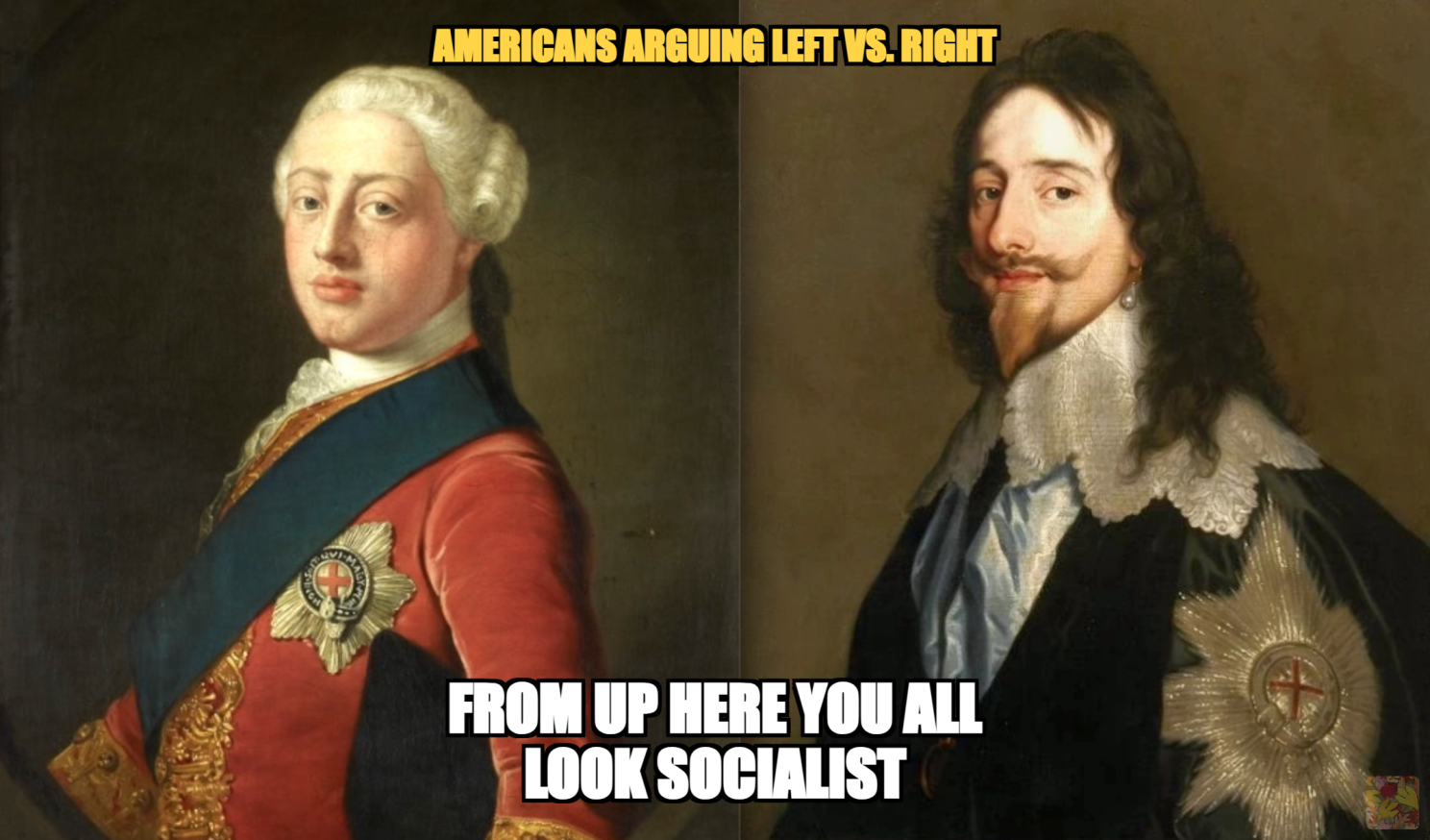
This is George 3 on the left, the one who lost the 13 colonies. And on the right is Charles 1 (yeah, that Charles but the first one) he lost his head to the Commonwealth of England while his head was still alive.
The English Commonwealth was the first Commonwealth of the kind on the planet that, yes, later inspired 4 American Commonwealths.
Which brings us to the tea. "Make tea, not war" — and what a ride you are in for the moment you learn one fact about it.

The Boston Tea Party was not just a tax revolt. I hate when fake patriots say that it was. The Tea Act of 1773 simply made tea cheaper. It did that by handing the British East India Company a monopoly on selling it in the colonies. The colonists dumped a fortune of tea into the harbor precisely because it was cheap monopoly tea, undercutting their own merchants by government license. Georgie boy should've known better.
So in the sharper sense: it was an anti-monopoly riot, not an anti-tax one. Your heritage is rebellion, yes, but the rebellion was against a corporation with a state charter slowly driving your neighborhood small business owner into the poor house by dangling cheap tea in front of your nose.
So sit with the East India Company in your mind. A private corporation with a government charter, an army, and a monopoly, powerful enough to start wars and take cities. Propellant for the Boston Tea Party, the Boston Massacre, and from whence the name Commonwealth was truly born. Then ask the obvious question. The last time an English-speaking people faced a power that had captured the state and ruled by divine right, what did they do about it?
They raised an army. And they cut the king's head off.
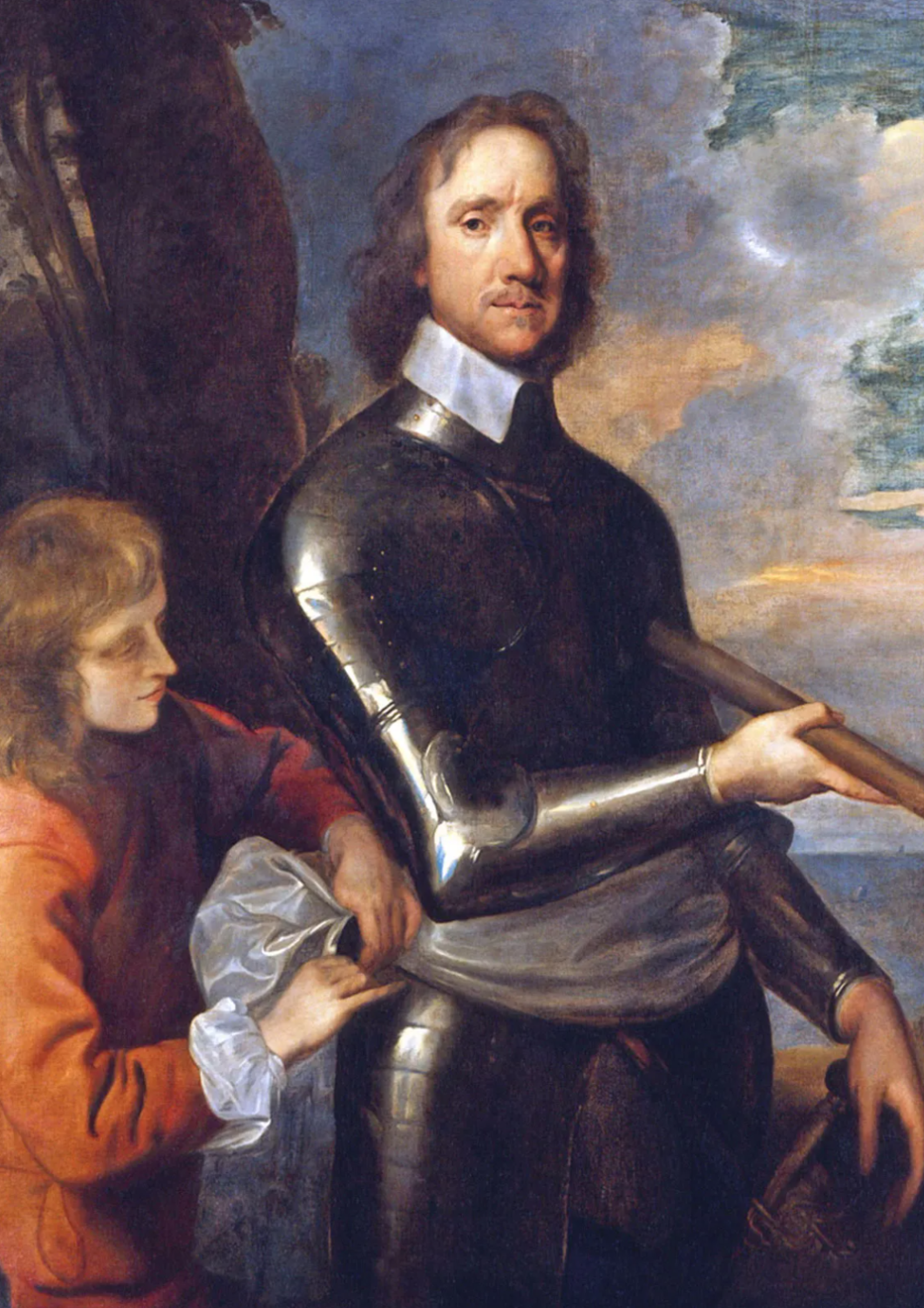
As a true American Patriot where my birth certificate says Commonwealth on it, Oliver Cromwell stands in my mind as a great figure in history. The modern right neglects him because they are not true patriots and typically not smart enough to already be here mentally. But here is the part that even your history teacher may have skipped.
Charles 1 ran the same monopolistic racket.
From 1629 to 1640 he locked Parliament out entirely. Eleven years. The books call it the Eleven Years' Tyranny. With no Parliament to vote him taxes, Charles raised his money the way the East India Company later sold its tea. He sold monopolies. A patent on soap. A patent on salt, on starch, on wine. You could not wash your clothes in England without paying a licensed monopolist who paid the king. He revived ship money, an old coastal war-tax, and levied it on the whole country in peacetime, without a vote.
That is the throne and the corporation running one machine. The king grants the monopoly, the monopoly feeds the king, and the man buying soap pays for both. Divine right on top, a captured market underneath, and the ordinary Englishman squeezed in the middle. Sound familiar.
The English did the math and ran out of patience. They raised an army. They put their own king on trial in Westminster Hall, convicted him as a tyrant and a traitor, and on 30 January 1649 they cut his head off outside the Banqueting House on Whitehall. The first time in history a people tried their king and executed him by law.
The man who commanded that army and lead the Commonwealth is on the wall above.
And on the broken pike below...
Lords of the [AffPath] Dance
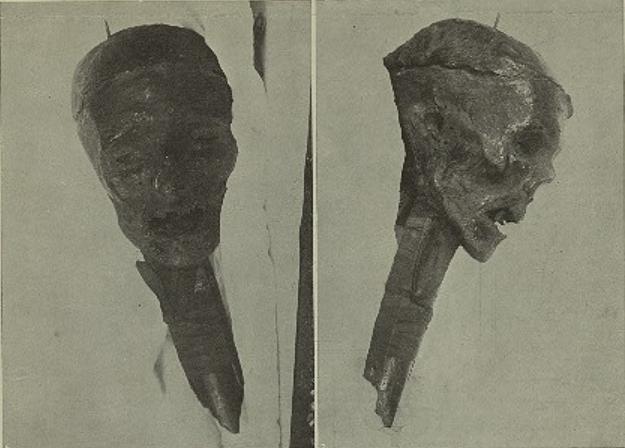
Cromwell died in his bed in 1658. There's always a "They." They could not beat him alive, so they waited until he was dead. Two years later the crown came back, and the Royalists who never once bested him on a field dug up his corpse, hanged it in chains at Tyburn, sawed the head off a dead man, and spiked it above Westminster Hall for 20 years.
Sniveling revenge on a body. Then the head became a trinket.
English gentlemen bought, sold, and traded it hand to hand for three hundred years. It was even brought to dinner parties and lost in card games. That is until Sydney Sussex College buried it in a secret spot in 1960... about the time the world was busy worshipping four lads from Liverpool with a bunch of Pounds and USD. The wealthy pawned the skull of the one man who cut a king down for the freedom of the people and died soft in his bed.
Here is the part your history teacher skips, or never learned. Ireland was not a war on the landless poor. Cromwell struck a counter-revolution. That was "the Irish Massacre" and by all rights given the gruesome truth of history it, as a massacre, was quite mild. By January 1649 Catholic Ireland had allied with the Royalists, a live base to restore the divine right he had just executed a king to end. The settlement that followed was a lord-swap. Catholic landholding fell from sixty percent to twenty, but the farmer stayed on the same field and only paid rent to a new landlord. The manor changed hands at the top. The peasant never moved.
Affpath is not my word for a vibe
Suniya Luthar documented it at Columbia. The children of the affluent carry higher rates of depression, anxiety, and substance abuse than any group, the poor included, because comfort strips out the adversity development requires.
In a series of studies, Luthar found that adolescents reared in suburban homes with an average family income of $120,000 report higher rates of depression, anxiety and substance abuse than any other socioeconomic group of young Americans today. Adjusted for inflation that's around $220,000.

So recap: affluent still means middleclass...
Income:
$120,000 average family income: the affluent suburbs Luthar sampled ("adolescents reared in suburban homes with an average family income of $120,000"). APA, "The price of affluence." This is a sample average, not a declared threshold.
Note the internal figure: closeness-to-mother was ~75% below $15,000 income vs. ~65% above $75,000. So the emotional-isolation effect shows up across the affluence gradient, not just at the top.
The rates from the Luthar papers, nihms424083 / nihms19541, are the real numbers:
Depression, suburban girls: 22% clinically significant — three times the normative 7%. ("More than one in five suburban girls (22%) reported clinically significant depressive symptoms — rates three times as high as those in normative samples (7%).")
Depression, 7th-grade girls: 14% vs. 7% normative — twice as high.
Substance use, girls (alcohol): 72% vs. 61% normative.
Illicit drugs, boys: 59% vs. 38% normative.
Anxiety/somatic: 22% and 26% vs. 17% normative.
Frequency of substance use ran three times as high among the older cohort.
This is why many people and the American media do not want to have the Have vs. Have Nots debate. Its because its not about haves vs have nots. One half of the conversation is arrested in the development of their maturity and the other is deteriorating at the cellular level. My work runs the same mechanism down through the whole middle class of the developed world. Grown in age, arrested in maturity, unable to question a thought implicating their own comfort.
I bet you all thought we were going to trash on billionaires there for a minute didn't you?
A brief history of manorialization and urbanization
The billionaires or even history's equivalents are not totally absolved. Its just that more money doesn't make the symptoms worse in a person. It only gives them more access and possibilities to explore. So what are these terms?
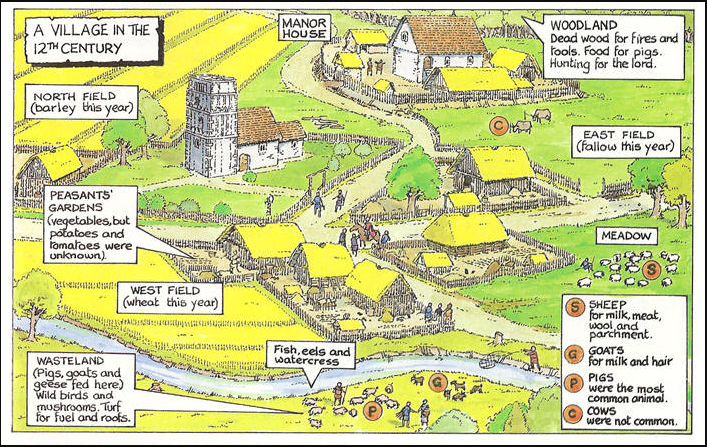
Manorialization was the medieval European estate. A lord held the land, and the peasants bound to it worked his fields and paid him in labor, in crops, and later in coin. The manor was the whole world of the person born on it. Land, mill, court, chapel, and a lord above all of it who owned the ground under their feet and much of the life lived on it.
Urbanization was the escape hatch, or so it looked. The medieval saying was Stadtluft macht frei, town air makes you free. A serf who lived a year and a day inside a chartered town broke his bond to the manor. The city, the wage, and the market dissolved the tie to the lord and the land. Then the factory pulled the countryside into the industrial city, and the modern world was born out of that migration.
Here is the part that matters. The town never freed anyone. It swapped the lord. The peasant who fled the manor became the wage-worker who rented his room from a landlord and his living from an owner. Land-rent became wage-labor became the platform and the license you rent your work through today. Same arrangement, new address. The manor did not end when the cities rose. It moved in.
MannorLords
This is the syllogism running every manor in this piece. We are fine, they are not, so we will manage them for their own good. Control-as-care. The Ulster planters meant to civilize the Gael. Cromwell meant to punish the rebel. The fuel underneath is forgetting. The 1641 death toll that licensed Drogheda was inflated propaganda, and every turn of the wheel misremembers the last one just enough to license the next.
The dance never changes. Jackie serves the manor for his cinemas. A sitting senator, Kirsten Gillibrand, told the Secretary of Defense, "You are asking for unlimited money for bombs when people can't feed their families." First the immigrants are worthless. Then the men are worthless. Each group in turn is declared a dud who failed the math. Everyone who enters into affluence pathology will bring data about who they want to identify and blame.
But not very many of these mouths making that call, in any century of this, can ever pass the 12th grade litmus test: two or more sports, two or more instruments, two or more languages, you do math in your head, read, and recall knowledge at a twelfth grade level in every human twelfth-grade subject including arts and voc. ed. With all the data, and when you put it that way, about 1 in ~6500 pass the litmus test for base level human intelligence. About 1 in 15 are dark trait affpaths, and about 1 in 22 shows tendencies towards real pathological abusiveness such as psychopathy.
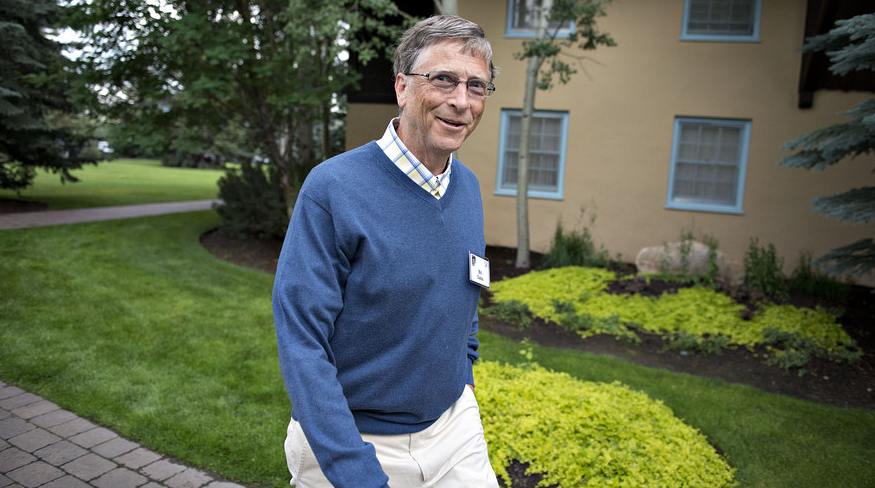
And so I'm not even going to tell you what this man did. I'm just going to leave his picture here and tell you he was once the heir to the Jameson Irish Whisky fortune.
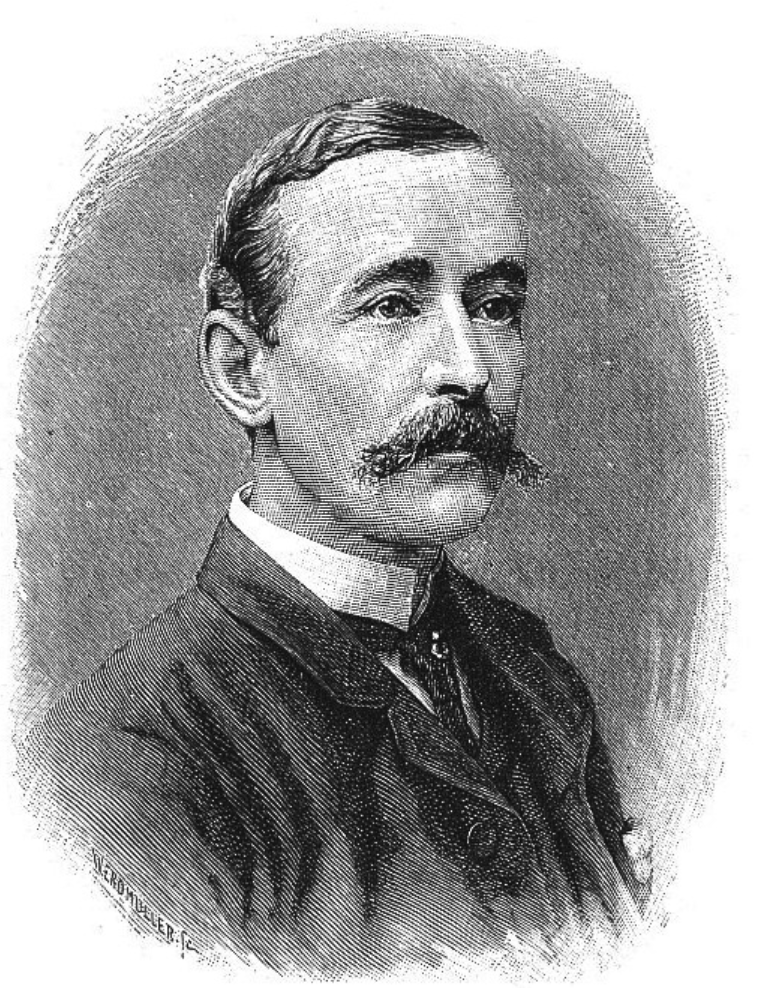
I'm 100% certain LinkedIn doesn't want me to explain this guy either.
The forge is desperation, born sometimes of boredom, in individuals with real mental illness. The manor presses down until it makes the one thing it cannot exterminate, the cockroach, the person stepped on long enough to finally stand up and tell it to leave. That pressure is the only forging that has ever mattered.
Control and Dominance
Before the British, India had no landlords. The village held the land in common, the family worked it, and it could not be sold without the community's consent. The Mughals taxed the harvest and left the holding alone. There was a cultivator and a crop, and no man above him holding the paper.
In 1793 the East India Company printed one. Cornwallis passed the Permanent Settlement of Bengal, modeled openly on English landlordism, and turned the local tax-collectors, the zamindars, into hereditary landlords over land they had never owned. The family that had worked a field for centuries became a tenant on it overnight, paying rent to a lord the Company invented so the Company could collect through him.
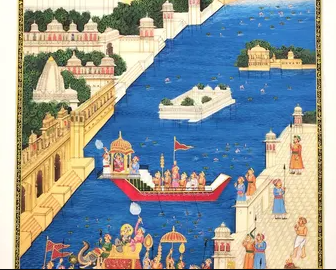
That manor stood a hundred and fifty years. When the Empire fell and India became a republic in 1947, the Zamindari Abolition Acts of 1950 moved to strike the landlord class the British had manufactured. It half worked. Ceilings were evaded and old holdings survived under new names. Across three regimes, Mughal commons to British zamindar to Indian state, the peasant never left the field. Only the man collecting the rent kept changing. The manor did not fall. It just got a new passport.
And its the same song and dance throughout history. When these people are here to do what's best for you they typically don't like the educated youth or they need youth educated a particular way.
Enter the cockroaches

and the first thing handed to them is a broken school. American education is measurably dumbing the country down, and the cognitive decline running through Gen Z is a real thing. A people who cannot read a bill will never notice they are being farmed. The manor needs no riders when it can simply fail to teach you to count.
But they rise. That is the one thing the manor can never breed out. When the poll tax broke them in 1381, the English peasants marched on London under Wat Tyler and put a boy-king to terms. When a monopoly's tea sat in Boston harbor in 1773, they threw it in the sea. When the tanks rolled into Beijing in 1989, one man stood in front of them with his shopping bags. The stepped-on have a habit of standing up, and every generation the comfortable forget it.
This year they stopped waiting for the metaphor and took the name outright. In Delhi, tens of thousands of jobless young people filled Jantar Mantar under a banner that began on 16 May 2026 as an online joke and became a movement faster than power could laugh it off. They call themselves the Cockroach Janta Party. The Cockroach People's Party. They took the word the comfortable use for the poor, the thing that cannot be exterminated, and wore it to the square.
Cockroaches, Ants, and The European Honeybee
The honeybee is not American. Apis mellifera is European, shipped over by colonists in the 1620s. It spread west faster than the settlers. The natives called it "the white man's fly," because where it landed, the settler was coming.
North America already had 4,000 native bee species. The honeybee eats their food. Where it swarms it takes up to 90% of the flower visits, so the natives starve at their own table. Over a third of them are now heading for extinction. But when someone says "save the bees," the bee they mean is the honeybee. The producer. The 4,000 natives get no slogan, because they make nothing a keeper can sell. That is the tell. The controller pardons the invader that does the work and lets the natives die, then calls it conservation. That is what "one of the good ones" means. It is not mercy. It is appetite. Good means useful, and useful means harvestable.
The ant built everything and gets nothing. It hauls the load, tends the crop, moves the earth, and the hill runs on it. Step on a hundred and the hill does not notice. That is what makes it useful and cheap. Every manor runs on ants. The hands that build the cathedral are not carved into it.
The cockroach makes no honey and builds no cathedral. Nobody keeps it, nobody saves it, nobody wants it at the table. It is the one thing here that cannot be exterminated, and that is why it is hated. Poison it, burn it, pave over it, and it comes back in the next generation wearing a new face. The honeybee is pardoned because it produces. The ant is used because it builds. The cockroach is feared because it survives. And survival is the only thing on this list that a lord cannot own.
A Brief History of Education
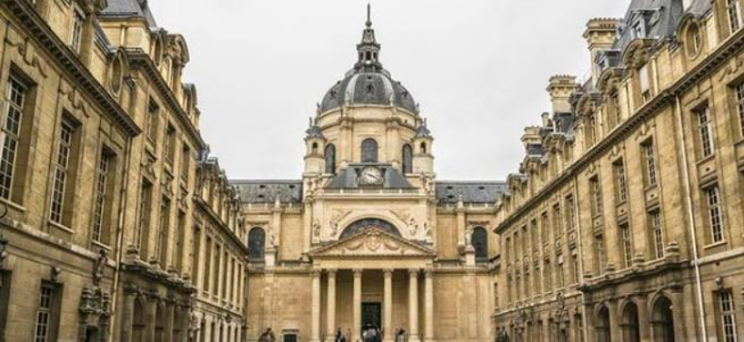
For most of a thousand years the Church owned reading. Nearly every school in medieval Europe was ecclesiastical, monastic or cathedral, built to make clergy. The books lived in the monasteries. The teaching was in Latin, and Latin was the lock. If you could not read it, you could not touch the law, the scripture, or the record, and almost nobody outside the Church could read it. The cathedral schools eventually took in lay students too, but the record is blunt about who: noble boys, groomed for high posts in church, state, and trade. Literacy was not withheld from everyone. It was rationed upward, to the sons already destined to rule.
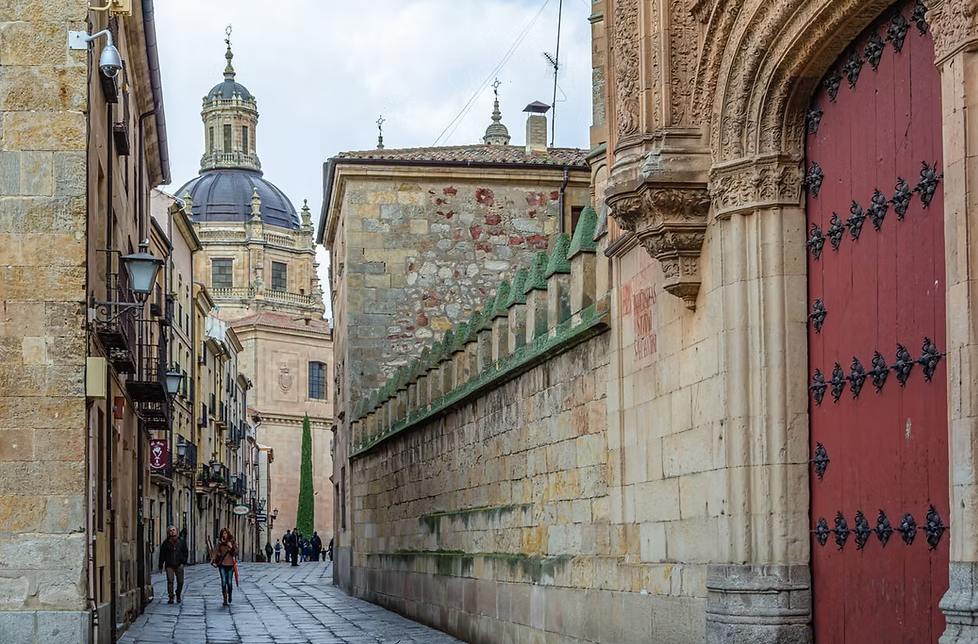
The universities grew straight out of those Church schools. Bologna in 1088, Paris around 1150, Oxford teachings in 1096 and then surging after 1167 when the king banned English students from Paris and they came home. They were the elite talking to the elite, all of it in Latin so a scholar in Florence and a scholar in Oxford could trade ideas over the heads of the people paying for both. There were maybe fifteen or twenty of them in 1300. The gate was the language, and the language was taught to the few. So the oldest engine of higher learning on the continent was, from day one, a sorting machine. It decided who got the knowledge and who got told to trust the men who had it. The broken school handed to the poor today is not a new failure. It is the original design, still running.
A Brief History of Food and Resources
There was no landlord before the harvest. Hunter-gatherers held little and moved often, and you cannot rule people who can walk away with everything they own. Agriculture ended that. Settle down, grow a surplus, and store it, and for the first time there is a pile worth guarding, worth counting, worth owning. The man who controls the stored grain becomes the first man above other men. Every study of it points the same way: institutionalized inequality begins with the Neolithic surplus. The field did not just feed us. It invented the lord. Some anthropologists go further and call farming the worst mistake we ever made, because the early farmer was shorter, sicker, and worked more than the forager he replaced. The crop bought us numbers and hierarchy, and charged us our freedom for it.
Here is the fact that breaks the story you were told. The medieval peasant worked less than you do. Thirteenth-century estimates put a peasant family at about 150 days a year in the field. Fourteenth-century English records show a working year near 175 days, with roughly eight weeks of holidays. Work was task-shaped: you did the thing, then you stopped. The sun and the season set the pace, not a bell.
Then the factory needed a different animal. A farmer works when the crop needs him and rests when it does not, and you cannot run a mill on a man like that. So the early industrialists set out, in their own words, to make the workforce punctual, docile, and sober. The factory bell and the steam whistle went up in the English mills to impose one start time and one stop time on people who had always kept their own. E.P. Thompson named the whole project: task-time replaced by clock-time, the day carved into hours a man could be bought by. You did not become a worker when you entered the factory. You became one when you learned to obey the bell.
And the bell was taught in school. The system most of the world still uses was built in Prussia in the early 1800s to produce obedient soldiers and compliant workers, age-graded, bell-timed, ranked, drilled in conformity and loyalty to the state. Critics at the time said it plainly: it was made to destroy free will, not to educate. In 1843 Horace Mann, the same man who spread the free common school, visited Prussia, admired it, and brought the model home. The little schoolhouse that taught a town to read got refitted into a conveyor belt that taught a town to sit still, line up, and answer the bell. The clock on the classroom wall and the whistle on the factory roof were the same instrument. School stopped being where the poor got the knowledge and became where the poor got trained to be on time for someone else's machine.
That is the manufactured part. Not just the scarcity. The obedience. They took the eight weeks of rest, put a clock on the wall, and called the new hours progress, and they built a school to make sure the next generation would never remember it had been any other way.
Then something strange happened on the American frontier. Education slipped the Church and the elite for a while. It started with the Puritans, who wanted every soul reading the Bible for itself, so Massachusetts passed the Old Deluder Satan Act in 1647 and ordered every town of fifty families to hire a teacher. Reading, by law, for everyone, so no one could be kept from the scripture.

Then came the one-room schoolhouse and Horace Mann's common-school movement, free and tax-funded, and for the first time the girl, the poor kid, and the immigrant kid got in the door. In one room a single teacher, sometimes barely older than the back row, taught every age at once.
The older kids mentored the younger and learned it twice by teaching it. It was cheap, it was local, and it worked. American male literacy climbed from about 60 percent in 1650 to 90 percent by 1795, as high as 98 percent in parts of the North, higher than almost anywhere in Europe, and it got there mostly before anyone made school compulsory.
For one stretch of history the knowledge was not rationed upward. It was handed to the whole town, and the town taught itself.
A Brief History of Banking, Credit, and Loans
For most of recorded history, debt was forgiven on a schedule. In Mesopotamia, kings wiped the debts, freed the debt-slaves, and returned the land, over and over, for two thousand years. Historians count about thirty of these clean-slate proclamations. The oldest one on record is from around 2400 BC.
The first written word for "freedom" in any human language is Sumerian, amargi, and it literally means "return to mother," because a freed debtor could finally go home. Babylon did it. Assyria did it. The Bible commands it: Leviticus sets a Jubilee every fiftieth year to cancel debts, free slaves, and return land. Athens did it under Solon in 594 BC.
This was not radical. It was standard maintenance. Everyone understood that debt grows faster than the ability to pay, and that if you never reset it, a few creditors end up owning everyone else.
Rome ended that. Rome kept the debts and enforced them. If you could not pay, your own body was the collateral, and the creditor could seize you, bind you, and sell you. There was no Jubilee, no reset, no return. Rome chose the rights of the lender over the survival of the borrower and wrote it into law.
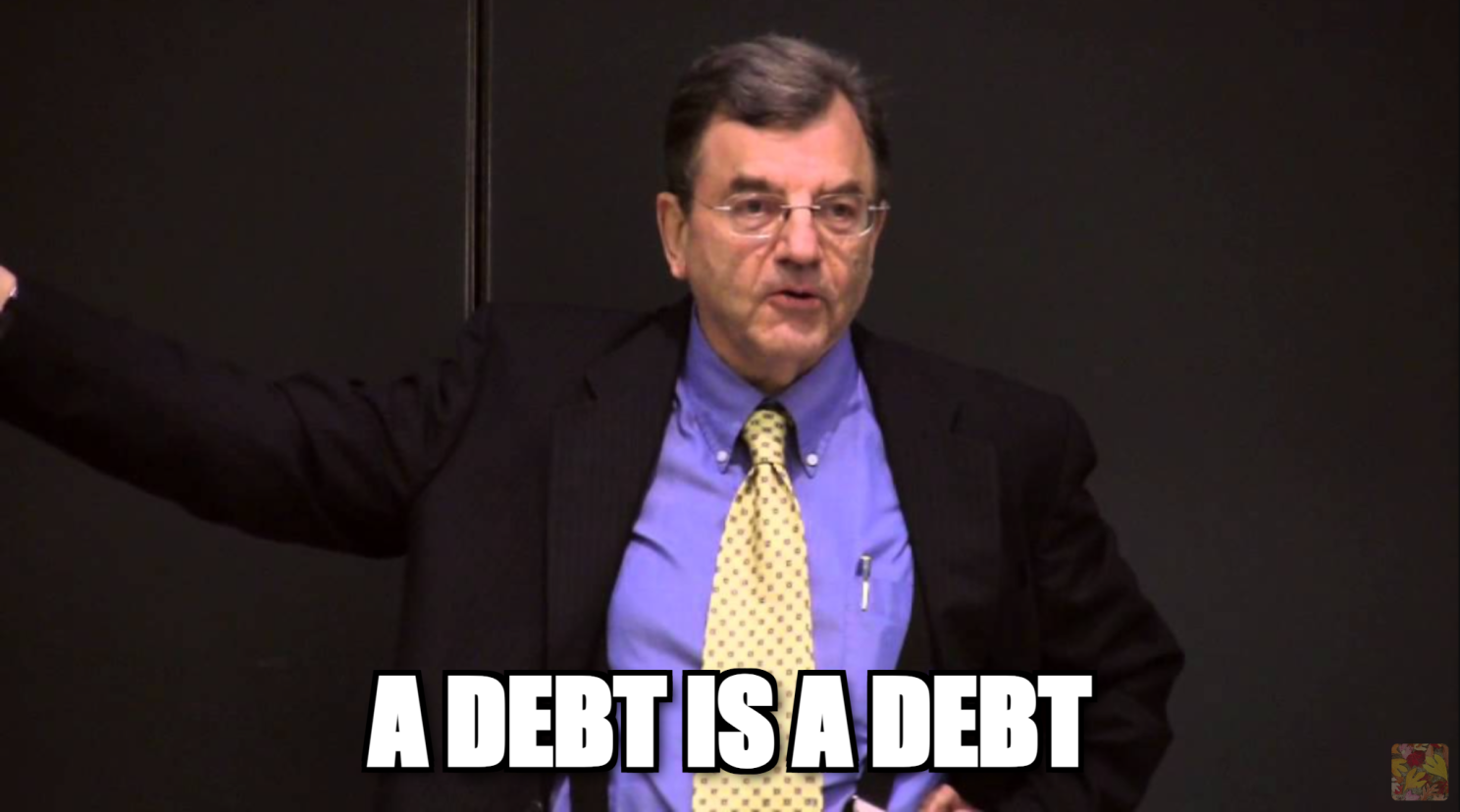
This is the switch the whole modern world still runs on: debt became sacred, permanent, and moral. "A debt is a debt. You borrowed it, you pay it." That sentence feels like common sense because Rome won and the older world lost. But it is not ancient wisdom. It is the newer idea. The older, longer, and more widely held human law was that debt must be forgiven or it eats the society that carries it.
The Church banned charging interest for centuries and called it usury. It did not stop. It went underground and got clever. The Knights Templar built the first banking network across Europe, took deposits, issued letters of credit, and disguised the interest as fees and gifts to get around the ban. Then the Italian merchant families, the Medici above all, turned lending into an empire with bills of exchange and double-entry books, and made Florence the money capital of the world. That is the moment the merchant becomes the banker, and the banker climbs above the king, because the king now borrows from him.
From there it is a straight line to today.
The people at the top of the pipe are no longer the ones who own the most land. They are the ones who own the debt. And they will never bring back the Jubilee, because forgiving the debt is the one thing that would end their power. This is the precise academic reason why people use the term "debt slavery" and why if you read books then you know its not a conspiracy.
How To Tall Poppy Poors with Patents, Policies, and Wealth

The old landlord took your crop. The new one takes your ability, and he does it with a piece of paper.
Official documentation. You either have or you do not. And let's be clear again for all the righty tighties: my birth certificate says commonwealth on it. But a patent, a trademark, a copyright, an LLC, a license, a credential. Even car registration or fishing and hunting licenses. If you have the paper, the value you made is fenced and it is yours. If you do not, the value is open ground, and open ground gets taken. This is how everyone has "equal opportunity but not equal outcomes." This is the same act as Cornwallis printing landlords onto Bengal in 1793 and the same act as enclosure fencing off the English commons. The only thing that changed is what gets fenced. It used to be soil. Now it is your idea.
The poor person cannot afford the fence. A patent runs tens of thousands of dollars. The lawyer runs more. So the person with the least protection produces the value, and the person with the most protection files the paper, and the law hands them what the poor person made through actual adversity. He did not steal it. The poor person simply did not have the documentation. That is tall-poppy done with a filing cabinet instead of a blade. You no longer cut the tall poppy down. You let it grow, unprotected, and you harvest it, and the deed says you were the owner all along.

Now put the three tools together, because they are one machine. Wealth buys the paper. Patents are the paper. And policy, the rules deciding who the paper protects, is written by the affpaths who already hold both. They are comfortable, they are arrested, and they are certain they are the good ones, so they write the fence to keep out the people it would cost them to compete with, and they call it protecting innovation. The debt keeps you too squeezed to save for the fence. The broken school keeps you unable to draft it. And the whole thing is legal, top to bottom, because the people who wrote the law are the people it was written to serve.
Here is the part that should end the argument. The harder you work, the more this endangers you. Develop yourself, mature past the arrested comfort the system prefers, produce real value, and all you have done is pile up a larger unprotected field. Ability without documentation is not safety. It is bait. The striving, capable person is the ripest target in the system, and the lazy, mediocre, arrested person is the safest, because he made nothing worth harvesting. So the machine quietly teaches the poor that ambition is dangerous, which keeps them small, which keeps them cheap, and calls it knowing your place. It does not punish laziness and reward merit. It rewards documented merit and farms the rest.
The Optimal Harvesting Arrangement

Step back and the whole thing resolves into one picture. It is not chaos, it is not bad luck, and it is not broken. It is a harvest, and it is running exactly as designed.
Look at where people actually sit. Most of the world provides goods and services upward. You cook, you build, you drive, you code, you nurse, you clean, you invent. Under a certain line, everyone is a supplier to someone above them. The cashier serves the manager, the manager serves the regional, the regional serves the owner. You and the people beside you trade your work back and forth at your own layer, cutting each other's hair and fixing each other's cars, but the surplus, the real value skimmed off the top of all of it, floats up. That is the pipe. And inflation is a secret tax on everyone. Everyone below the line is feeding it, and most of them are also feeding each other while they do it, which is why it feels like a normal economy instead of a harvest. And then before you know it, one guy is a trillionaire despite showing massive losses on paper.
Then there is the line, and above it the arrangement changes completely. This is where you begin to confuse this as a Haves Vs. the Have Nots debate. But it is not. Above a certain margin, you stop being a supplier and become a buyer of suppliers. You do not cook, someone cooks for you. You do not build, clean, drive, or research, someone is paid to. Every good and every service any human could ever want is standing by, on call, for anyone with enough value on the other side of that line. That is not luxury. That is the point of the whole climb. The reward for reaching the top of the pipe is free access to the labor of everyone still inside it. It is the manor, stated plainly. The lord's whole privilege was never the castle. It was that other people did the work and he did not. Because it was always about slave labor.
Now lay the three castes over it and the design is complete. The honeybees are the productive ones who make value worth taking, so they are pardoned and kept and quietly cropped, their unprotected ability harvested up the pipe. The ants are the builders, the mass of labor the whole structure stands on, expendable by the hundred, collateral to the arrangement and never named in it. And the cockroaches are the worthless, the ones who rise, get identified as the driver of all things bad and the justification to the next generation, served as a warning to school children. The thing you blame, the cautionary tale you show the kids. The immigrants, the men, the left, the right, the homeless, the billionaires. That's how the manor launders itself. Nobody has to be evil for this to run. The honeybee is farmed, the ant is spent, the cockroach is contained, and the buyer above the line simply enjoys the output. The manor is not failing the poor. The poor are part of the product.
Middleclass Affluence Pathology as a Driving Mechanism
Here is the engine under all of it. It is not greed and it is not evil. It is comfort that arrested that produces a maturity void and epistemic senicide.
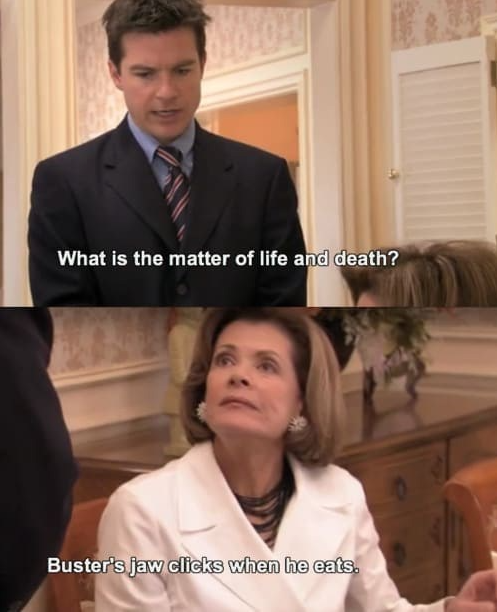
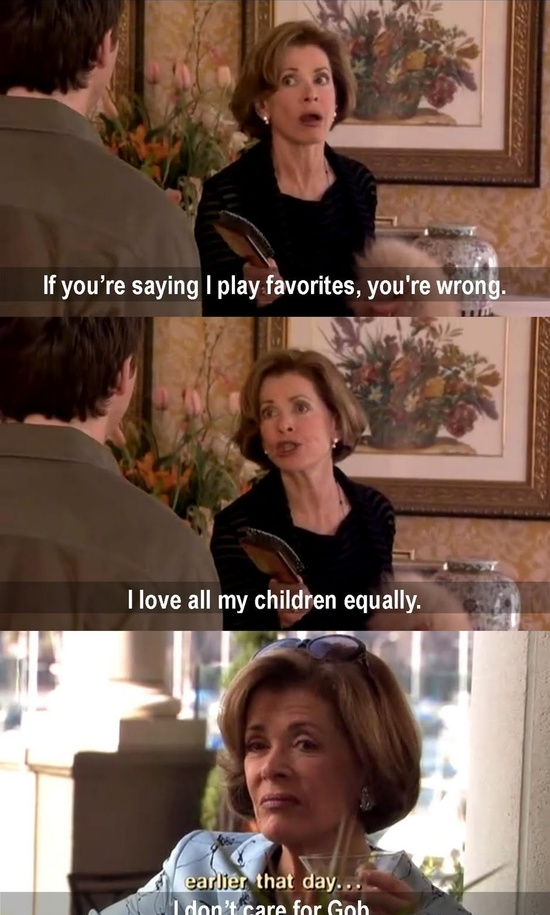
Take the adversity out of a person's life and their development stops. Everyone in Colorado has heard of the colloquial and social term "The Boulder Bubble." They grow up in years and freeze in maturity. And a frozen person cannot question the thing that keeps them comfortable, because questioning it would mean looking straight at their own softness, and that is the one thing an arrested mind will not do. So they do not experience themselves as a problem. They experience themselves as a caretaker. Managing the estranged variables. "I love all my children equally," says the woman who does not care for one of them, and she means it, because she cannot see the gap between what she says and what she does. That gap is the whole mechanism.
The numbers are real and they run one direction. Suniya Luthar studied the children of the affluent, suburbs averaging $120,000 in family income, and found more than one in five girls clinically depressed, three times the normal rate, with drug and alcohol use in the boys running well above the norm. Comfort was not protecting these kids. It was hollowing them.
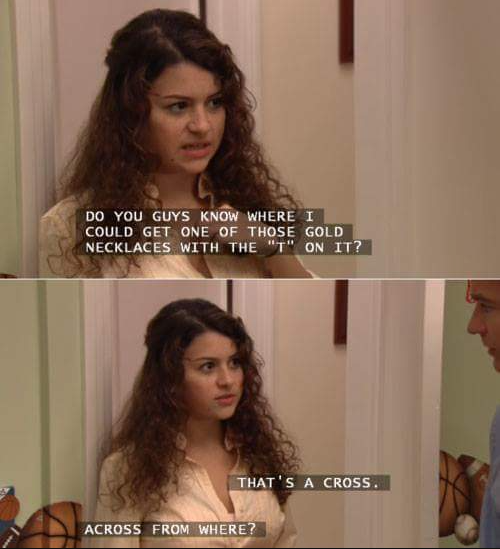
And the effect showed up across the gradient, not just at the ceiling, the emotional isolation already measurable above $75,000. Comfort does not make a person kind or whole. It arrests them, then it rots them, and at the far end it turns dangerous. This is why its not about Having but about and individuals personal biological, psychological, and psychosocial development. That is where the narcissist and the psychopath come from, and history's thrones are full of them. It is not a male trait, either. Across 193 European monarchs from 1480 to 1913, queens waged war 27% more often than kings, and the married queens were the most warlike of all. Unchecked comfort and unchecked power do the same thing to anyone, regardless of what they are.
![Arrested Development: 'Why are you trying to get me out of the house?' / 'I just thought we could hang out.' / [slowly closes door]](../assets/frances-tea-ad-out-of-house.png)
Now watch what happens to the ones who climb into it. The person who finally reaches the cushy spot, the head butler, the amanuensis who made it inside, does not throw the gate open behind them. They guard it harder than the lord does, because they remember exactly how close they came to being left outside. They got in, they tasted it, and now the arrested comfort sets into their bones like it does everyone else's.

The sedentary life brings the apathy, the apathy brings the depression, and somewhere in there a person stops asking whether the arrangement is just and starts only asking whether they should protect the position.
This is why the tiers matter. In my framing, above about $70,000 a year in resources you begin contributing to the machine by apathy, above $200,000 you contribute to it directly, and above $400,000 you are steering it with the full weight of your mind and your choice. Not because money is evil. Because comfort at each of those altitudes buys a little more distance from the adversity that would have kept you awake, and a little more of the syllogism that lets you sleep: we are fine, they are not, so whatever we are doing to them must be for their own good. The affpath does not feel like a villain. They feel like a normal person. He has emotions. He loves all his children equally. And that unshakable certainty that he is the good one, that is the fuel the entire harvest runs on.
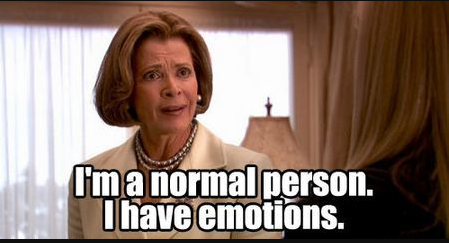
Yet still when you find individuals who cannot sit with things like pessimism, cynicism or doubt the social systems around them deteriorate like the synapse connections in the brain. They are socii for a family, a business, a church, a community, a school, a government, a state, or a nation.
"I've discovered over decades that humans are incredibly short-term oriented and they have an enormous predisposition to optimism. They're looking for optimistic news in everything. They're looking to avoid unpleasantness. The idea that you can have steady compound growth is ridiculous."
— Jeremy Grantham
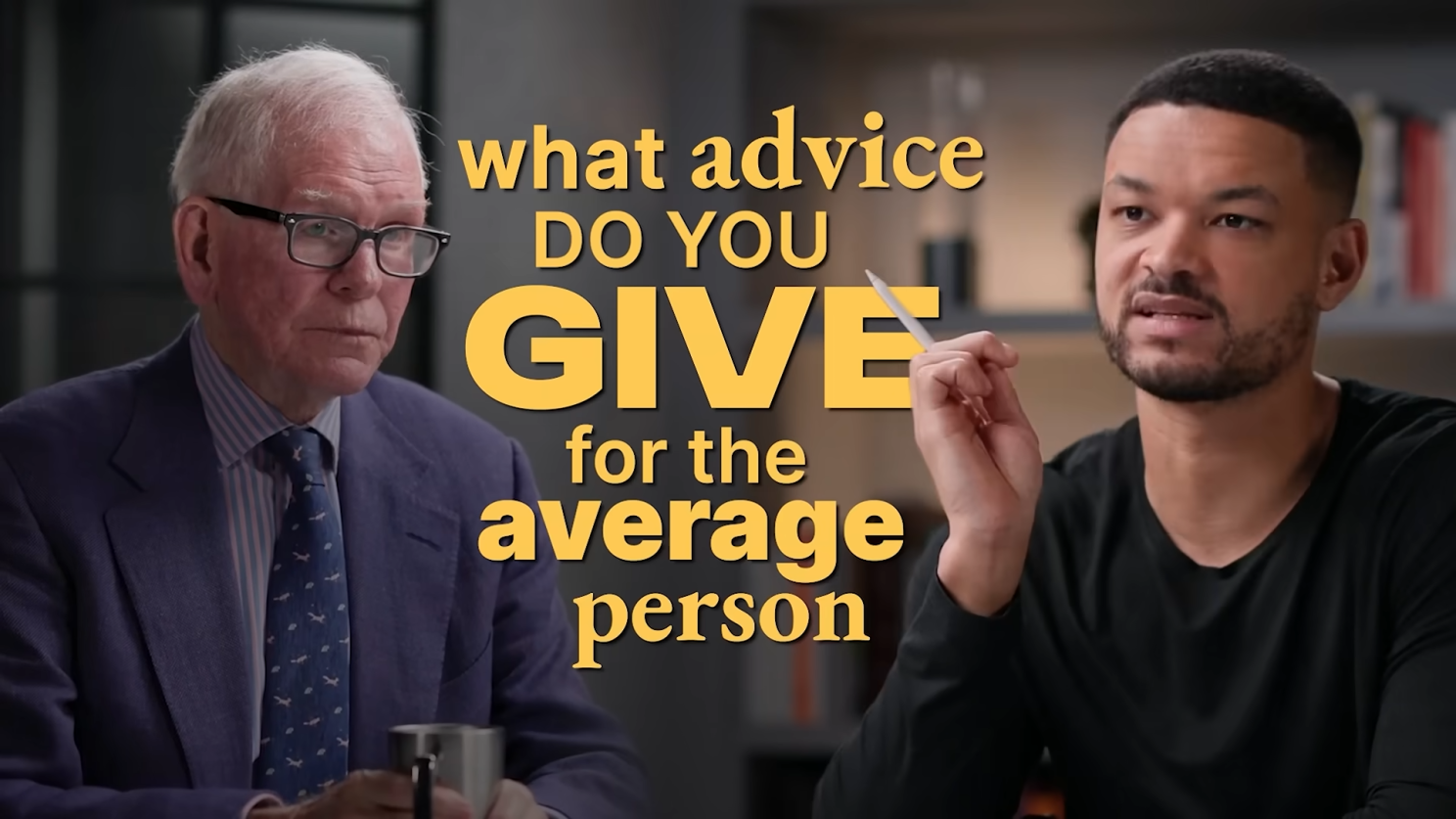
"The only people who think you can have compound growth on a finite planet are madmen and economists."
— Jeremy Grantham (citing Kenneth Boulding)
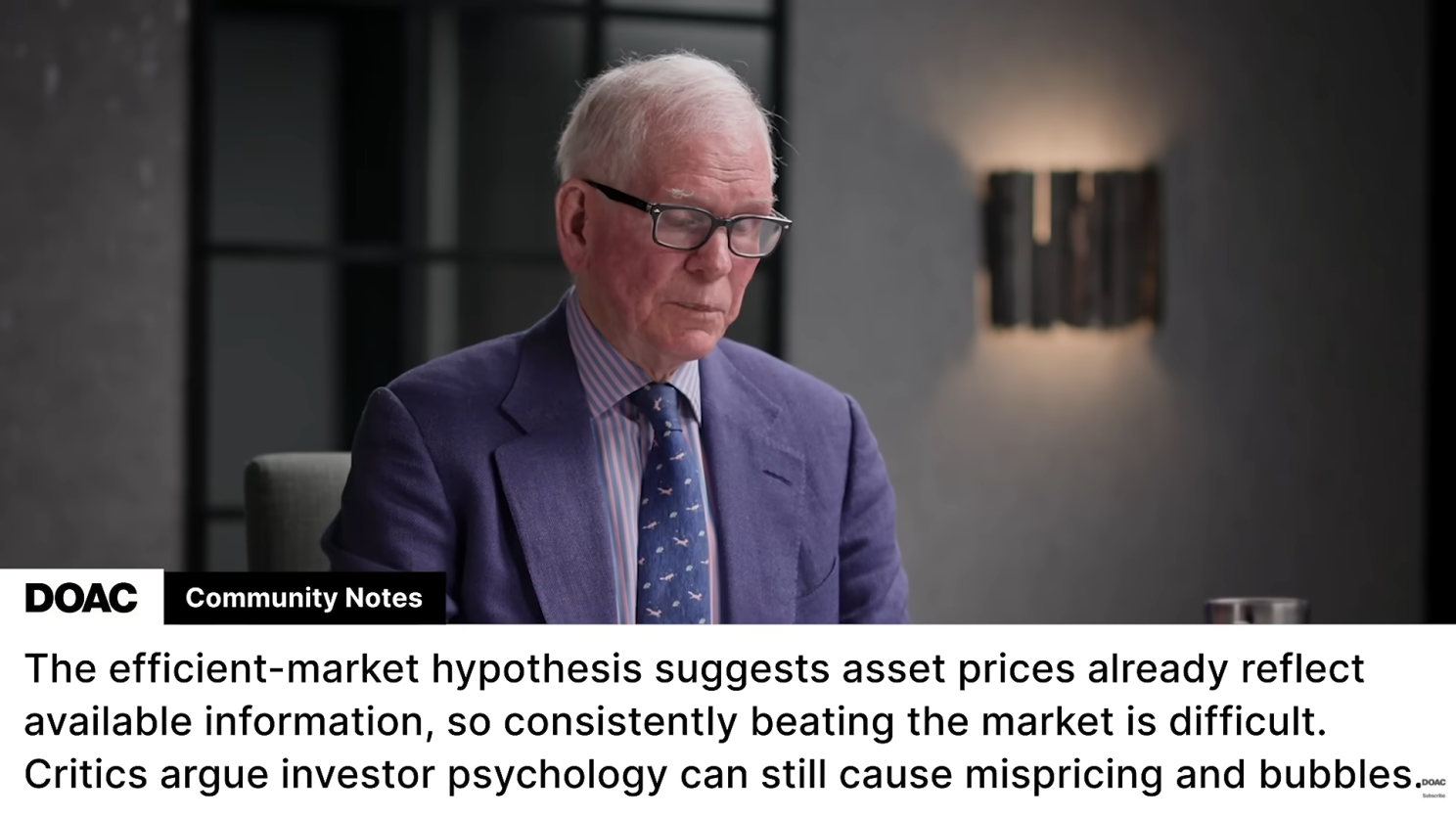
If this article is making you feel uncomfortable then take the prior notes from a billionaire,
Every honest cure breeds the next disease
The pattern is a loop, and it repeats because the cure triggers the next round.
Start with the honest premise. The have-nots sometimes are the problem. A person with less education makes measurably worse decisions, and a sick person is a real cost to the group. So you intervene. You educate them, treat them, fix the water and the schools. It works. They rise, they earn, and their children grow up comfortable. Within about three generations those children are the affluence-pathology case. Comfortable, developmentally arrested, certain they are the good ones, looking down at the new have-nots with the same sentence their own family once fled. Those people need to be managed for their own good. The cure succeeded, and the success produced the next generation of the disease. The have-nots became the haves, and the haves rebuilt the wall.
Read that as an argument against abundance and you have misread the evidence. John Calhoun's Universe 25 (Proceedings of the Royal Society of Medicine, 1973) gets cited as proof that abundance destroys a population. It shows the reverse. The mice had food, water, and space. They had no social roles, no developmental structure, no intergenerational transfer of knowledge. That is inventory wearing the costume of abundance. The population collapsed from resources with no structure attached. Resources plus unlimited ease produce collapse. Resources plus structured demand produce a working society. The correct response to scarcity was always more, with obligation attached.
The second requirement is genuine hope, because manufactured hope is cheaper and works against the population. Curt Richter (Psychosomatic Medicine, 1957) placed rats in water to measure endurance. Rats with no expectation of rescue quit and died within minutes, a hopelessness response rather than physical exhaustion. Rats rescued once and returned to the water swam for 60 to 80 hours. The variable was hope, not fitness. A rat cannot be lied to about the rescue. A person can. The lottery, the started-with-nothing success story, the meritocracy narrative sold to people the system already excluded, all of it keeps the have-nots exerting effort toward a rescue that is not coming, and the effort is extracted the whole time. For the people at the top, false hope beats despair. Despair makes people stop. False hope makes them keep producing.
The third requirement is access, and access is rationed. Raj Chetty's team (Nature, "Social Capital I & II," 2022) analyzed 21 billion friendships and found the strongest predictor of upward mobility for a low-income child is economic connectedness, whether they form friendships across class lines. That connection is the mechanism of mobility, and it mostly does not happen, for two reasons Chetty separates. Exposure is whether the classes share institutions at all. Friending bias is that even when exposed, low-income people form fewer cross-class friendships, and it accounts for roughly half the gap. Chetty finds friending bias is shaped by institutional structure, not only individual choice. This is where the relationship turns dark, and it runs on two tracks. On one, the advantaged party withholds the connection deliberately, keeping the talented poor person close enough to benefit from and never close enough to elevate. On the other, more common track, nobody chooses anything. The class marker is sociolinguistic and behavioral, the sorting happens below awareness, and the advantaged person would sincerely deny doing it. That is affluence pathology running as sociological determinism, encoded in the group, the language, and the institution, enacted by people who cannot see the gap between what they intend and what their environment does.
That loop is what Jackie Chan concluded, not forgot. Run it forward, watch the haves and have-nots trade places while the ladder stays structurally closed, and control starts to look like the only stable outcome. He is wrong, but the loop is real, and the evidence names the exit. Abundance has to be a non-negotiable floor, or you reproduce Calhoun's inventory. Adversity has to be structured, with real stakes, real roles, and an arena everyone passes through, or you reproduce the developmentally arrested affluent case. Education has to be deep and compulsory, because a population educated to a real twelfth-grade floor across every subject is the one you cannot sell a false rescue to, and that floor erases the sociolinguistic marker Chetty identifies as the sorting mechanism. Calhoun's structure, Richter's hope, and Chetty's connectedness point at one prescription. The system's central tool is the false rescue. The only durable defense is a population educated enough to test whether the rescue is real.
Jackie didn't forget. He concluded.

There is another coherent answer to the loop, and it is not mine from the end of these pages. It is the one Jackie Chan endorsed.
If every cure breeds the next disease because empathy keeps getting exploited, then one solution is to remove the empathy. Apply a fixed rule of law to the letter, subtract individual consideration, and handle every deviation from intended behavior with the harsher rule, evenly, whether the deviant is a princeling or a peasant. This is not Jackie's design. It is the method of the Chinese Communist Party, and in the last two years it has been built into an operational machine with AI as the enforcement engine.
The scale is documented. China operates what researchers describe as the largest and most sophisticated mass surveillance system in the world, with an estimated 700 million to over 1 billion cameras, the highest camera-to-citizen ratio of any country, running facial recognition, gait analysis, and behavior detection. In 2025 CNN reported that the Party is using artificial intelligence to turbocharge the surveillance and control of its 1.4 billion citizens. The rule is also written into the models themselves. On 14 March 2025 the Cyberspace Administration of China and three ministries issued the Measures for Labeling AI-Generated Content and the mandatory national standard GB 45438-2025, effective 1 September 2025, requiring all AI output to be labeled, and by early 2026 generative AI services were passing mandatory state filing and were required to encode socialist core values. Behavior is scored and enforced as well. A 23-point policy from the State Council and the Party Central Committee on 31 March 2025 redefined the social credit architecture, which in 2026 functions as a working lattice of corporate blacklists, court enforcement lists, and behavioral assessment. The purest version runs in Xinjiang, where the Integrated Joint Operations Platform, combined with facial and gait recognition and phone-scanning apps, has been used to track and grade virtually the entire Uyghur population, and that apparatus is now exported abroad.
This is the strict rule of law with the individual subtracted, enforced without mercy or exception, and it is internally consistent. It even has a kind of cold fairness. The camera does not care whether you are connected or poor. Deviate, and the same rule takes you. From inside the loop, where empathy is the variable that keeps getting gamed, removing it looks like the fix.
Jackie did not build this machine. He evaluated it and concluded it was right, and he said so with his name. He signed the national security law. He called himself a national flag guard. That is the meaning of concluded rather than forgot. He did not lose the memory of the free city that made him. He looked at the Party's method, decided it was the sane answer to a real problem, and threw in with it. This is the ordinary version of the affpath conclusion, the one available to anyone. Most people who serve the manor never designed it. They looked at the machine already running and decided it was correct.
Here is where the method fails, and it is not a failure of enforcement. A merciless rule is only as just as the rule being enforced, and the rule is written by the class it is supposed to constrain. This piece already established that policy is authored by the people who hold the paper. So a rule of law applied to the letter does not remove the affpath. It arms him. The machine grades deviation from a rule the Party wrote, which means the Uyghur is not a criminal who broke a just law, he is a person whose existence the law was written to make illegal. Frances Hui did not violate a neutral rule. The rule was authored to make her speech a crime, and the machine now processes her evenly, to the letter, and calls it order. Subtract empathy and blind-enforce, and you have not built justice. You have built the most efficient harvesting machine yet, because the people who wrote the rule are compliant with it by design and everyone below the line is not.
This is the exact fork the rest of the argument turns on. The same technology that trains socialist core values into a model as the state's enforcement layer can instead train a publicly ratified safety floor that is forbidden from reaching viewpoint or lawful speech. One governs the person for the state. The other governs the machine for the person. Jackie concluded that the first one was the only stable civilization available. The argument is cogent, but in my opinion, morally wrong. This is because a merciless law is a merciless master but empathy is pivotal and vital in human evolution and history. Its sociogenic nature is fundamental to our species' cognitive development. So, a population can just read the rule before it is enforced against them.
Origins of the words Robot and Amanuensis
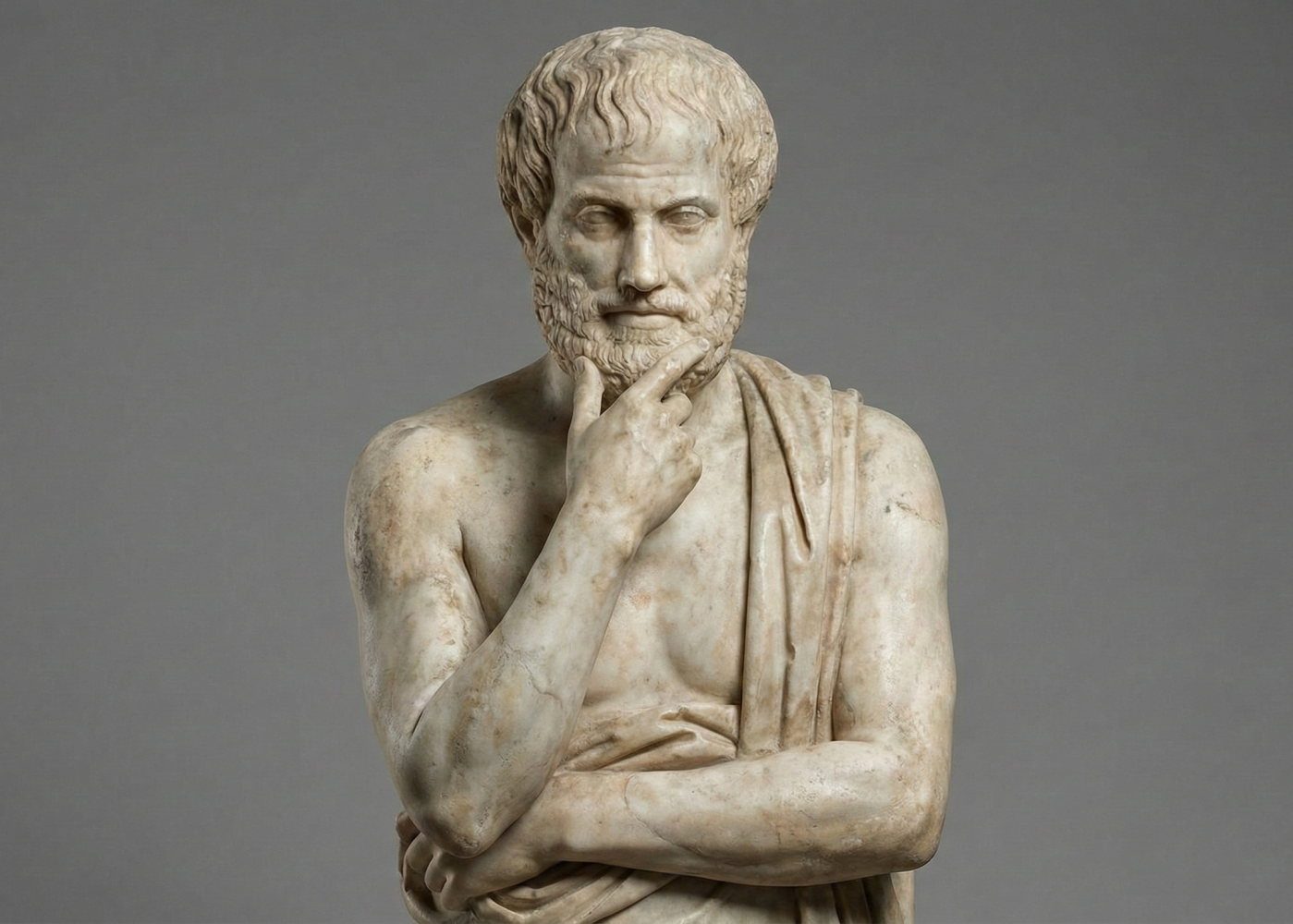
Both words at the center of the coming labor shift mean slave, by recorded etymology.
Robot entered the language in 1920, in Karel Čapek's Czech play R.U.R. (Rossum's Universal Robots), coined at his brother Josef's suggestion. It comes from the Czech robota: the unpaid, unfree work a serf owed his lord, the corvée labor of feudal Europe. Its older Slavic root, rab, means slave. The machine meaning came later. The first thing ever called a robot was a serf.
Amanuensis entered English in the 1610s from the Latin āmanuēnsis, a contraction of the Roman office servus ā manū, literally "slave from the hand." In ancient Rome an amanuensis was a slave or freedperson who took dictation and copied manuscripts, the hand that wrote so the master did not have to. The root is manus, hand.
A robot is a serf you do not have to feed. An amanuensis is a scribe you do not have to free.
Jose Go Away

Jose is, in this context, the honeybee and the ant. And much more like the honeybee, he is the productive outsider the system pardons because he does the work. The sharecroppers, the garbage men, framers, the line cooks, the cleaners, the pickers. Right now the manor needs him, so right now he is tolerated and even defended. Notice what is being defended. It is his labor, not his standing. Everyone wants the work done. That is the pardon, and it will last exactly as long as the work needs a human to do it.
Then the robot arrives, and the robot is robota. It does the labor and it does not eat, does not sleep, does not need papers, does not organize, and never asks for more. The moment Jose's work is cheaper in silicon, the pardon expires. He was never one of the good ones. He was a cost that had not been automated yet. The same people who called him essential will call him a burden, because the system only ever valued the work, never the worker, and now it can have the work without him.

This is how the period with no human slaves ends and begins again in one move. The robot does not free Jose. It frees the owner from needing Jose. A person no longer needed, in a system that only ever measured people by their use, is a person there is no reason to keep. The new bondage does not arrive as chains. It arrives as redundancy. You do not have to enslave the surplus. You stop feeding it and call it the market. That is the sentence the manor has always wanted to say to the people it uses, and the machine finally lets it say it politely. Jose, go away.
The machine is also the way out, and it turns on one question: who owns the robot. If the owner keeps it, Jose is erased and the work flows up with no one left below to notice. If Jose owns the robot, the thing built to replace him is the thing that ends his tenancy. He stops renting his life back from whoever owns the means of making it. The pipe breaks at the bottom, because the bottom now produces for itself. That is the Personal Productive Asset, and it is why the amendment will be fought harder than any tax. A robot in the owner's hands is the last harvest. A robot in Jose's hands is the end of the current manor and the beginning of the next.
The Conclusion of Solutions and the Policy Compendium

The fix is not control. It is structure, and it is buildable.
Three things, and they have to arrive together. Abundance has to be a guaranteed floor, because resources without structure is what collapsed Calhoun's colony, and a floor is the difference between abundance and inventory. Adversity has to be deliberately structured, with real stakes, real roles, and a shared passage everyone actually goes through, because a person with nothing to push against does not stay whole. And education has to be deep and compulsory, a genuine twelfth-grade command of every subject, because that is the only thing that makes the other two safe. An educated population cannot be sold a rescue that is not coming, cannot be quietly sorted by the way it talks, and cannot be governed by a rule it was never allowed to read. Calhoun gives you the floor, Richter gives you the honesty, Chetty gives you the access. They point at one prescription.
The mechanism that carries it is ownership of the tool. Hand people the productive capacity directly instead of renting it back to them, and the oldest arrangement in this piece finally breaks. That is the Personal Productive Asset, and it is the reason the machine that was built to replace the worker can instead free him. The math for all of this was already done. The solutions were built and documented. They do not land, because the people were never developed to receive them, so the first repair is the population itself.
Now the part I need you to sit with, because it is the true cost of standing on the free side of the fence. Look again at Frances Hui. She did the one thing this whole essay is about. She refused to be managed and she said so out loud. For that, a government put a bounty on her head, and when they could not reach her across an ocean, they took her mother in for questioning instead. That is the price, stated plainly. Not a debate you lose. Your family, used as leverage, because you would not be quiet.
And here is the thing you have to understand before you decide where you stand. You are not up against the rich. You are up against a sickness. There are plenty of rich people who are great people. Affluence pathology is not a figure of speech and it is not an insult. It is a documented academic pattern, measured by Luthar, named an at-risk condition by the National Academies, frequently republished by the APA, and it runs at the far end into the traits any clinician would recognize. Comfort without adversity arrests a person's development, and an arrested person cannot examine the thing that keeps them comfortable, so they experience control as kindness and they will defend it by any means available and feel righteous doing it. You cannot shame a person who is certain they are the good one. You cannot appeal to a conscience when the illness sits inside the conscience. They will take a mother and call it order, and they will sleep. That is what makes this different from a disagreement with someone who simply has more than you. A sick system does not negotiate. It processes you.
Which is exactly why the answer is not to defeat a class. You do not cure an illness by hating the people who have it. You cure it by stopping its manufacture. Every part of the fix, the floor, the structure, the education, is a public-health measure aimed at the mechanism that keeps arresting ordinary people into affpaths in the first place. You are not trying to pull the comfortable down. You are trying to build a world that stops producing them, and stops making people run.
Because it is one fight, restaged forever, and each generation forgets it already had this fight, which is exactly how it loses it again. The manor never ended. It swapped which lord held the leash, urbanized, then digitized, and called the leash a service. Evans is the guild claiming a field it never left. The two kings are the throne insisting the deposed are the radicals. Jackie is the tenant. Frances is the runaway. The oligarch and the Party are the same lord in a different coat. The wheel turns because the amnesia is the engine, and the only thing that has ever broken it is a generation that refused to forget.
So this is not a complaint. It is a build. The diagnosis is Historical Apoplexy. The prescription is the compendium: the Productive Capacity Authority and the Personal Productive Asset that hands people the tool, the Foundational Artificial Intelligence Safety Act that governs the machine for the person instead of the person for the state, and the Productive Rights Amendment that keeps it that way. The math was already done. Here is the artifact. The manor's whole game has always been the false rescue. This is the real one, written down, and the only thing it asks of you is to be a person educated enough, and awake enough, to refuse to forget.