

When most people think of permitting, their minds jump to complicated paperwork, engineering specs, and seemingly endless inspections. Sure, the technical side is real and important, but there's a deeper story here. A story rooted in sociology, anthropology, and the very fabric of how we actually live together in communities.
Reflections of Sedentism and Civic Engagement
At its core, permitting is a product of sedentism. This is the human shift from nomadic lifestyles to settled communities. When people put down roots, they create shared spaces, rules, and expectations. Permitting systems arise as a way to manage how land and property are used, ensuring safety, fairness, and order. This isn't just about engineering; it's about people living together, negotiating their needs and rights.

Elected Officials and the Power to Shape Permitting
Permitting doesn't happen in a vacuum. It's deeply tied to civic engagement. Local governments like city councils, zoning boards, planning commissions are often composed of elected or appointed officials who set the rules and codes that permits enforce. And believe it or not but some codes are enforced internationally. These officials and codes reflect the values and priorities of their communities, which can shift with each election cycle. When you vote, you influence who makes these decisions, directly impacting how permitting evolves.
Board Meetings, Planning, and Community Voices
Public board meetings and planning sessions are where the sociological aspect of permitting shines brightest. These forums allow residents, developers, and officials to discuss proposals, voice concerns, and negotiate compromises. It's a democratic process, sometimes messy, but essential for balancing individual ambitions with community welfare.

Permitting as a Social Contract and Last Line of Defense
The statement that "permitting is that last line of defense" captures an important truth. While engineers design and build, permits symbolize a social contract and a certification that the work has been inspected and approved by professionals accountable to the public. This process protects people and property across generations, ensuring that buildings are safe and land use is appropriate.
The Role of Permitting in Property Transactions and Inheritance
Permitting intersects with how property changes hands. Whether buying, selling, or inheriting land and homes, permits ensure that structures meet current codes and that any modifications have been properly authorized. This protects buyers from hidden risks and preserves the value and safety of neighborhoods over time. Your home is your home now but it will inevitably be someone else's later.
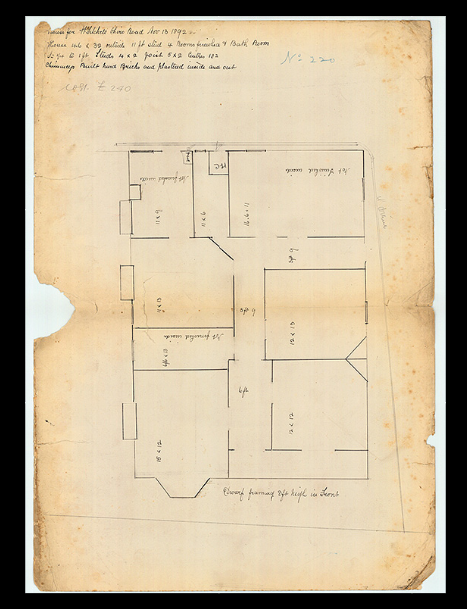
Large Developments: Negotiating Growth and Community Impact
When it comes to large developments, permitting becomes a complex negotiation involving multiple stakeholders. Developers seek to maximize their investments, while communities aim to protect their character, environment, and infrastructure. Permitting and utility processes here are not just technical hurdles but arenas for social dialogue and compromise.
In Conclusion
Permitting is far more than a bureaucratic headache or a purely technical checkpoint. It is a sociological phenomenon deeply intertwined with how humans settle, govern, and engage with each other. It embodies the collective effort to create safe, orderly, and livable communities that reflect our values, politics, and social contracts.
So next time you grumble about permits, remember: they're not just about rules and inspections. They're about people, power, and place. The foundations of civilized life.