A software coder needs KQ for deep programming knowledge, EQ to handle project stress, LQ for clear code documentation and communication, CQ to innovate solutions, MQ for typing endurance and high precision dexterity, SQ to collaborate on teams, RQ to solve algorithms, and BQ to manage long hours at a desk.
An EMS paramedic requires KQ for medical protocols, EQ to comfort patients, LQ for clear patient hand offs, CQ for creative problem-solving in emergencies, MQ for physical stamina, SQ to coordinate with hospital teams, RQ to determine best treatment, and BQ for maintaining clear perception but also mental and physiological health during strenuous shifts.
An Alaskan crab fisherman calls on KQ for knowledge of fishing regulations, EQ and SQ to manage crew morale and work safely in teams, LQ for clear radio communication, CQ to adapt to changing conditions, RQ to reason complex working hazards, and quality MQ for physical strength but also specialized high BQ for adverse conditions and to withstand harsh weather.
A warfighter needs KQ for tactical expertise, EQ to handle stress, LQ for mission briefings, CQ for adaptive thinking, MQ for physical fitness, SQ to operate within units, RQ to reason through complex life or death hazards, and higher BQ to endure extreme environments.
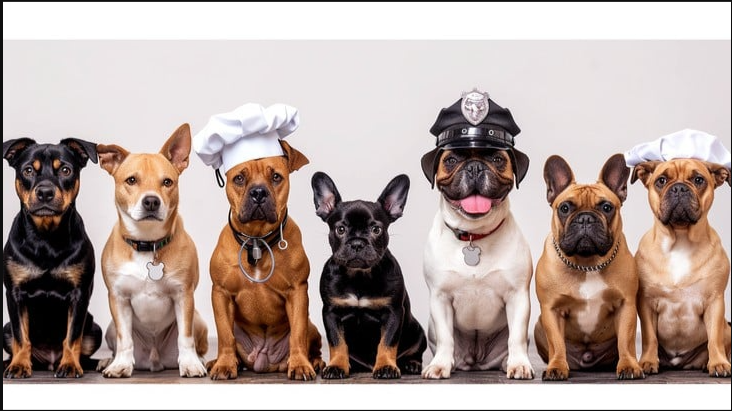
A police officer requires KQ for legal knowledge, EQ to de-escalate conflicts, LQ for report writing and testimony, CQ to improvise in the field, MQ for physical readiness, SQ to engage community members, RQ to reason through complex situations, and BQ to manage shiftwork and stress.
A carpenter needs KQ for construction standards, EQ to manage client expectations, LQ for reading and explaining blueprints, CQ for creative problem-solving, MQ for manual dexterity, SQ to coordinate with subcontractors, RQ for measurement and logic, and BQ to handle physical labor.
An electrician calls on KQ for electrical codes, EQ to ensure safety communication, LQ for interpreting diagrams, CQ to troubleshoot creatively, MQ for precise hand skills, SQ to work alongside construction teams, RQ for problem-solving, and BQ for safe work in hazardous environments.
A plumber needs KQ for system knowledge, EQ to handle customer concerns, LQ for explaining repairs, CQ to improvise solutions, MQ for physical labor, SQ to collaborate with contractors, RQ for diagnostics, and BQ to work in tight spaces.
A civil engineer needs KQ for design calculations, EQ to manage stakeholder relations, LQ for technical presentations, CQ to innovate infrastructure, MQ for site inspections, SQ to lead project teams, RQ for analytical reasoning, and BQ for fieldwork endurance.

A chef requires KQ for culinary techniques, EQ to manage kitchen staff, LQ for menu descriptions, CQ for creativity in recipes, MQ for stamina in the kitchen, SQ to interact with customers, RQ for adapting to issues, and BQ for long shifts on feet.
A pilot calls on KQ for navigation and systems, EQ to stay calm under pressure, LQ for cockpit and tower communication, CQ for handling emergencies, MQ for fine motor control, SQ to communicate with crew, RQ for complex flight reasoning, and BQ for managing jet lag and altitude.
A teacher needs KQ for subject mastery, EQ to connect with students, LQ for lesson delivery, CQ to develop engaging lessons, MQ for classroom energy, SQ to manage classrooms, RQ for logical explanations, and BQ for vocal and physical stamina.
A firefighter calls on KQ for fire science, EQ to support victims, LQ for clear emergency communication, CQ for problem-solving under pressure, MQ for physical endurance, SQ to work seamlessly with the team, RQ for hazard assessment, and BQ for respiratory and physical health.
A graphic designer requires KQ for design principles, EQ to interpret client feedback, LQ for presenting ideas, CQ for visual creativity, MQ for precise tool use, SQ to collaborate with marketing teams, RQ for logical layouts, and BQ for eye health and posture.
A journalist calls on KQ for research, EQ to interview sources sensitively, LQ for clear writing, CQ for story telling, MQ for field reporting, SQ to network within communities, RQ for fact-checking, and BQ for stamina during long assignments.
A farmer requires KQ for crop management, EQ to handle unpredictable conditions, LQ for communicating with buyers, CQ for adapting to weather, MQ for physical work, SQ to negotiate with suppliers, RQ for observation-based or data-driven decisions, and BQ for resilience to outdoor conditions.
A social worker calls on KQ for policy knowledge, EQ to empathize, LQ for case documentation, CQ to develop intervention strategies, MQ for field visits, SQ to navigate social systems, RQ for case analysis, and BQ to manage emotional stress.
A construction manager needs KQ for planning, EQ to resolve conflicts, LQ for clear instructions, CQ to adapt plans, MQ to understand site conditions, SQ to coordinate diverse trades, RQ for estimations, and BQ for handling long days.
A welder requires KQ for materials knowledge, EQ to maintain safety awareness, LQ for reading technical drawings, CQ for creative fabrication, MQ for precision, SQ to work within teams, RQ for troubleshooting, and BQ for managing heat and fumes.
A musician calls on KQ for music theory, EQ to connect emotionally, LQ for interpreting scores, CQ for artistic expression, MQ for instrument mastery, SQ to collaborate in ensembles, RQ for performance analysis, and BQ for breath control and stamina.

New VQ Examples
A dog trainer needs KQ for canine behavior, EQ to read dog emotions, LQ for clear commands, CQ for creative training methods, MQ for agility, SQ to work with owners, RQ to troubleshoot behavior, and BQ for physical endurance.
A herder calls on KQ for livestock management, EQ to stay calm with animals, LQ for whistle and voice signals, CQ for adapting to terrain, MQ for long walks, SQ to coordinate with other herders, RQ for quick decisions, and BQ for outdoor stamina.
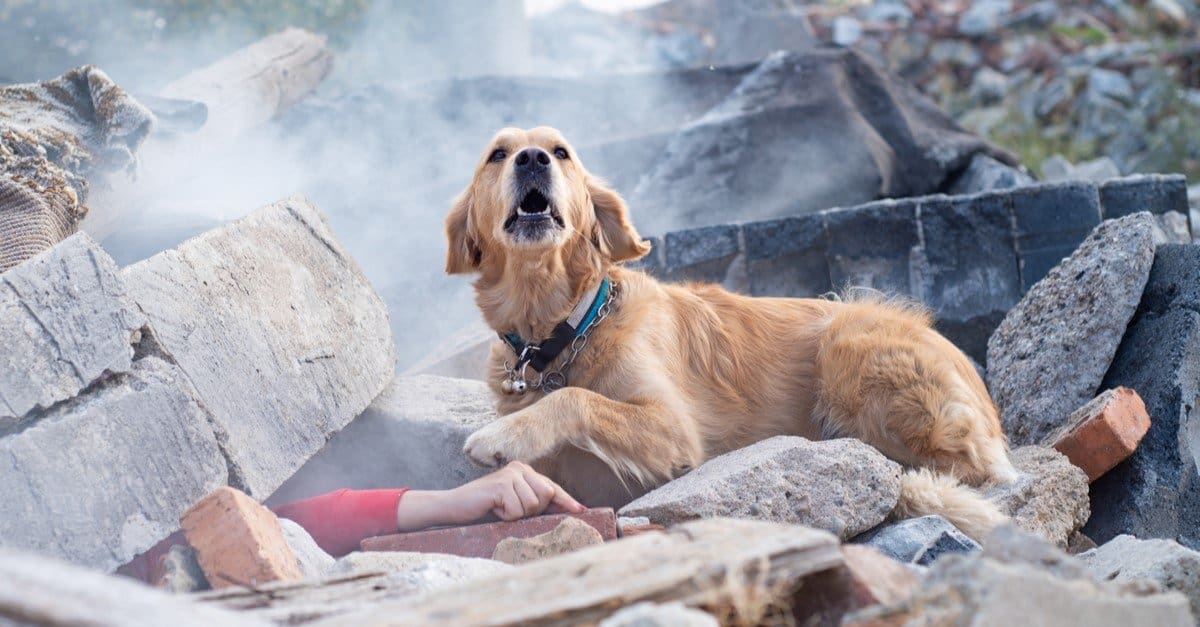
A rescue dog coordinator requires KQ for search and rescue protocols, EQ to support teams and dogs, LQ for clear radio communication, CQ for creative search strategies, MQ for navigating rough terrain, SQ to coordinate teams, RQ for prioritizing search areas, and BQ for endurance in emergencies.
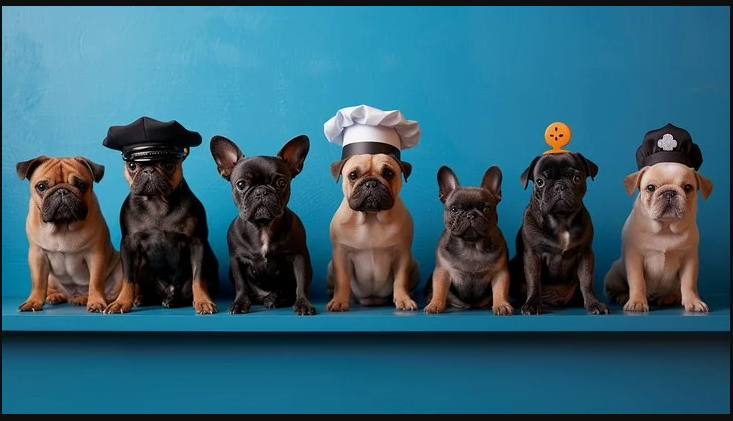
A Dog's 8-Component VQ in Action
Dog as a trainee
Might use KQ to remember commands and routines and rely on EQ to bond with trainer and sense moods. Needs LQ to interpret vocal and hand signals and applies CQ to solve puzzles and learn new tricks. Depends on MQ for agility and coordination and utilizes SQ to interact with other dogs and people. Leverages RQ to figure out what's expected. Requires BQ for energy and health to train.
Dog as a herder
Uses KQ to recognize livestock and patterns but relies on EQ to read the handler and herd's emotions. The herder pup needs advanced LQ. Many of them communicate with multiple humans, dogs, horses, and herded livestock all at once in the most advanced displays of coordination. They apply CQ and RQ to adapt herding tactics and predict herd movement. Herd dogs utilize special SQ to understand how to work in coordination with other dogs and humans. Finally, they depend on MQ for speed and maneuvering but many command the highest BQ for continuous sprint stamina in the field.
Dog as a rescue worker
This dog uses KQ to recall search patterns and scents and relies on EQ to sense urgency and handler cues. The rescue dog needs fairly advanced LQ to understand commands and signals. They depend on MQ for climbing and digging but they apply CQ and RQ to navigate obstacles and make choices in complex environments. Then, they utilize advanced SQ to work in teams and especially with victims. Requires higher than average BQ for endurance and resilience.