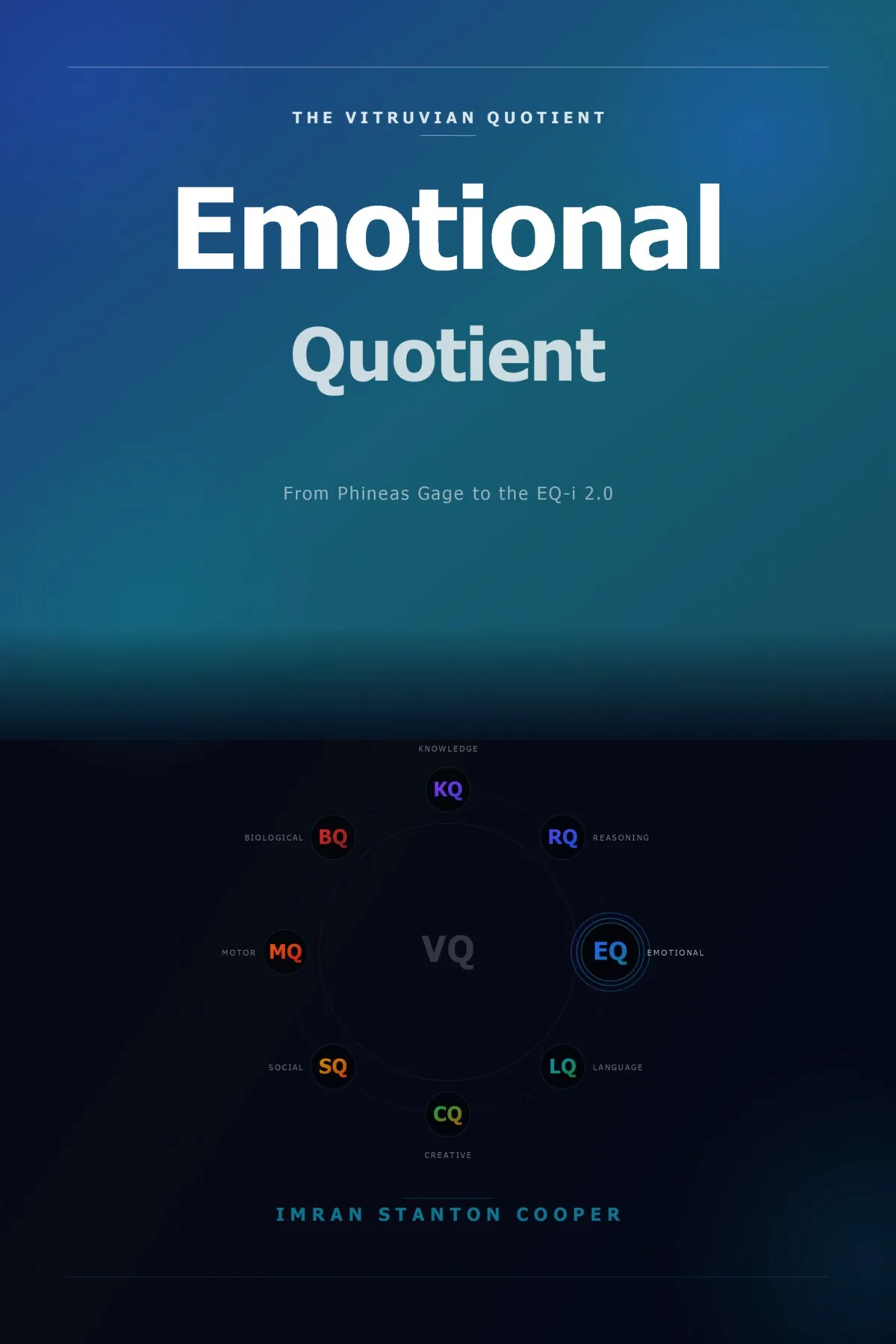
Goleman extended one slice of Gardner's framework and the EQ idea took the world. This is what came next: emotion as a measurable ability, the limbic-prefrontal neuroscience, and what EQ looks like as one of eight rather than the IQ-replacement.
Phineas Gage took an iron tamping rod through his prefrontal cortex in 1848. His intelligence was intact. His EQ was destroyed. The case is the founding evidence for emotional intelligence as a discrete cognitive achievement, and it is where Cooper's EQ volume begins.
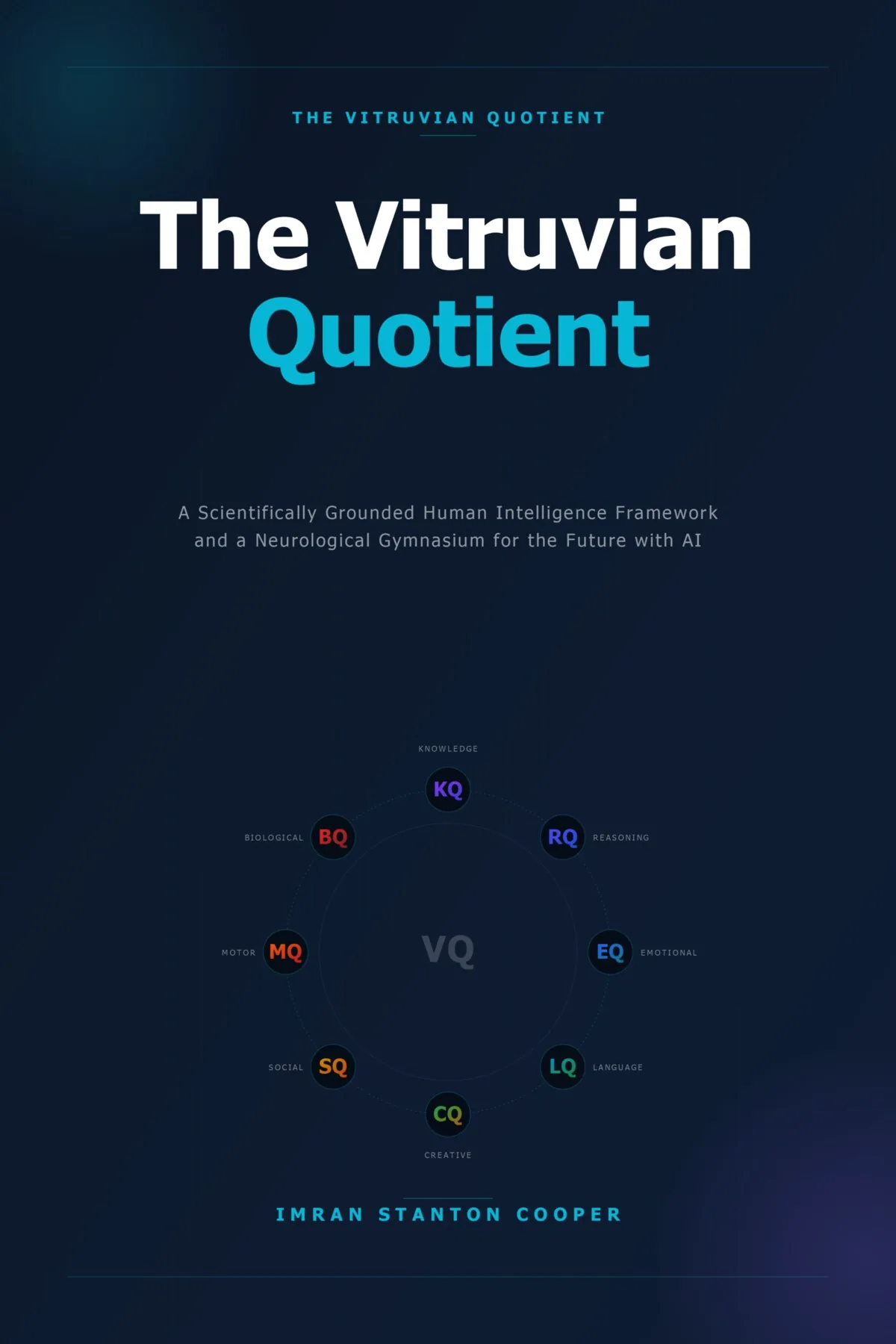
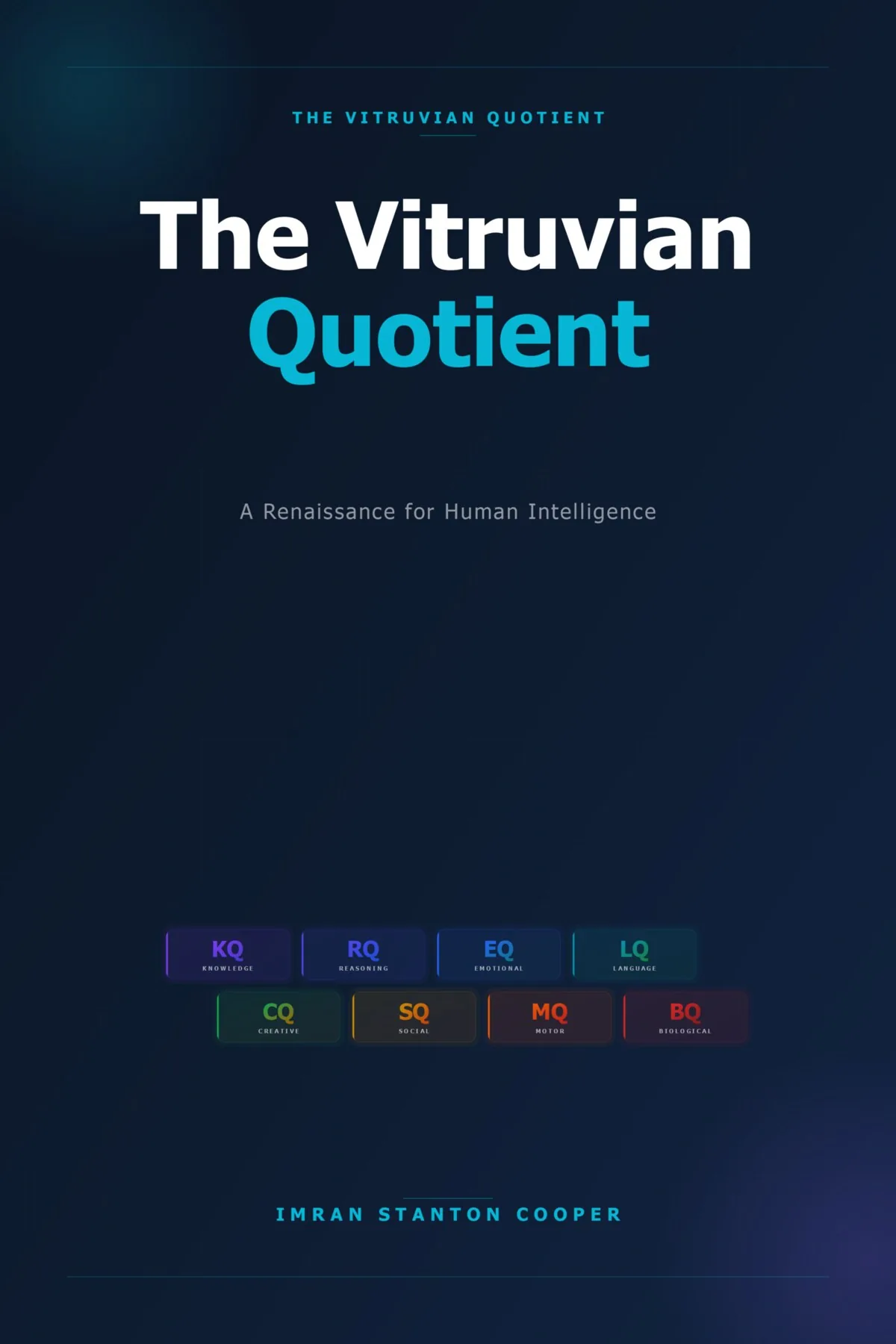
The book traces emotional intelligence from Gage through Daniel Goleman's 1995 trade work and Bar-On's trait inventories, then grounds Cooper's EQ in the Mayer-Salovey four-branch ability model: emotion as a measurable ability (perceiving, using, understanding, and managing emotions) rather than a self-report personality trait, plus a VQ-native fifth lens, interoceptive awareness. Goleman and Bar-On are the popularizers the framework builds beyond, not the instrument it adopts. Rather than treating EQ as an IQ replacement, the VQ framework places it as one of eight, which lets EQ be measured precisely against the others rather than serving as an indictment of the cognitive ones.
Short volume. Companion to the main VQ-Trade book.
- Emotional Intelligence, Daniel Goleman
- The Body Keeps the Score, Bessel van der Kolk
- Behave, Robert Sapolsky
- Why Zebras Don't Get Ulcers, Robert Sapolsky
Pop-psychology readers, EQ practitioners, organizational-development readers, clinicians.
Also in The Vitruvian Quotient View series →